
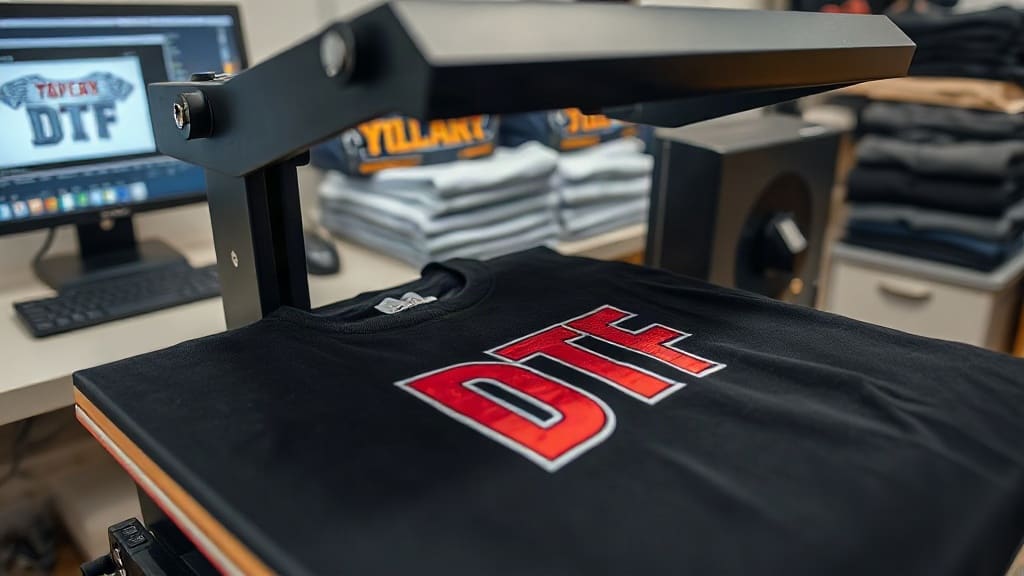
If you've been searching for DTF transfers to elevate your custom apparel game, you've likely typed "dtf transfers near me" into your search bar. It's a smart move: working with a local provider can save shipping time, allow you to inspect samples personally, and build a relationship that benefits your business long-term. But not all DTF transfer companies are created equal. In this guide, I'll walk you through what to look for, what to avoid, and how to get the most from your local DTF setup.
Why Choose Local DTF Transfers?
There are plenty of online DTF transfer services that ship nationwide, so why would you limit yourself to local options? For starters, local providers often offer faster turnaround. If you're in a pinch for an event or a customer order, having a shop within driving distance can be a lifesaver. You can also visit their facility to see the quality firsthand. Many local print shops are small businesses that pride themselves on personalized service. They're more likely to answer your questions, offer advice, and even adjust their process to suit your needs. Plus, you're supporting your local economy, which is always a good thing.
What Are DTF Transfers Exactly?
Before we dive into finding the best provider, let's clarify what DTF (Direct to Film) transfers are. In this process, a design is printed onto a special PET film using a DTF printer, then coated with adhesive powder. The film is then heat-pressed onto a garment. The result is a vibrant, durable print that can be applied to a wide range of fabrics, including cotton, polyester, and blends. DTF has gained popularity because it offers the versatility of screen printing without the setup costs, and it works beautifully on dark and light colored garments alike.
How to Find DTF Transfers Near Me
Your quest for dtf transfers near me can begin with a simple online search, but don't stop there. Here are several strategies to uncover hidden gems in your area.
Search Engines and Maps
Use Google or Bing with location-specific keywords. Instead of just "DTF transfers," try "DTF transfers in [your city]" or "custom DTF printing near me." Google Maps can be particularly useful because it shows you the physical location, hours, and customer reviews. Look for shops that have a strong rating and read the reviews carefully. Pay attention to comments about print quality, customer service, and turnaround time.
Social Media and Community Groups
Many local print shops are active on Instagram and Facebook. Search for hashtags like #DTFtransfers or #localprinting along with your city name. Join local small business groups on Facebook and ask for recommendations. You'll often get honest feedback from people who have used these services. Also, check out the pages of local vinyl and craft stores; they might offer DTF transfers or know who does.
Industry Directories and Trade Shows
If you're in the apparel business, you might attend local trade shows or expos. These events are excellent places to meet DTF providers face-to-face. You can see their work up close and discuss your needs in person. Additionally, some online directories list printing companies by location. A quick search for "DTF printers in [your state]" can yield results that don't always appear on the first page of a general search.
What to Look for in a DTF Transfer Provider
Once you've compiled a list of potential providers, it's time to evaluate them. Here are key factors to consider.
Print Quality and Resolution
The whole point of using DTF transfers is to get high-quality prints. Ask to see samples or order a test print. Examine the vibrancy of the colors, the sharpness of the edges, and the overall clarity. A good DTF print should have no visible banding or pixelation. Also, check the white ink layer. It should be opaque and smooth, especially if you're printing on dark garments.
Material and Durability
Not all DTF films and adhesives are the same. A reputable provider will use quality materials that withstand multiple washes. Ask about the film thickness and the type of adhesive powder. You can also do a wash test on a sample to see how it holds up. In my experience, the best transfers feel soft and flexible, not plasticky.
Turnaround Time and Pricing
How quickly do they deliver? If you need transfers for a rush order, can they accommodate? Also, compare prices. While you don't want to choose the cheapest option, you should still get fair pricing. Be wary of providers who quote extremely low prices; they might be cutting corners on material or labor. Always ask about minimum order quantities and whether they offer volume discounts.
Customer Service and Communication
When you contact a provider, gauge their responsiveness and willingness to help. Do they answer your questions clearly? Are they patient in explaining the process? A good provider will guide you through file preparation, color matching, and application. They should also be transparent about any limitations or potential issues with your design.
Common Mistakes to Avoid When Choosing DTF Transfers
Even when you find a local provider, things can go wrong if you're not careful. Here are some pitfalls to steer clear of.
Ignoring File Preparation Guidelines
Each print shop has specific requirements for file formats, resolution, and color modes. If you ignore these, you might end up with blurry or skewed prints. Always ask for their artwork specs and follow them to the letter. Usually, they'll accept PNG files with transparent backgrounds at 300 DPI. But never assume; always confirm.
Not Ordering a Sample First
It's tempting to order a bulk batch of transfers right away, especially if the price is good. But skipping the sample step can lead to disaster. I once ordered a batch of DTF transfers from a new provider without testing first, and the colors came out completely different from what I expected. After that, I always order a single test transfer before committing to a large order. It's a small investment that saves you from costly mistakes.
Overlooking the Heat Press Process
DTF transfers require specific temperature, pressure, and time for application. If you're applying them yourself, make sure you have the right equipment and know the correct settings. A good local provider will offer guidance or even application services. Don't hesitate to ask for a demo or a quick lesson on heat pressing.
How to Get the Best Results from Your DTF Transfers
Once you've found a reliable local provider, you want to make sure your final products look amazing. Here are some tips.
Optimize Your Designs for DTF
When creating your artwork, keep in mind that DTF printing can handle complex designs with gradients and fine details. However, avoid extremely tiny text or delicate lines that might lose clarity when printed and transferred. Ensure your images are high resolution to prevent pixelation. Also, remember that white ink is printed as an underbase, so your design should be in CMYK mode.
Choose the Right Garments
DTF transfers work best on materials that can withstand the heat press temperature, typically around 300°F. Cotton and cotton-poly blends are ideal. For 100% polyester garments, be cautious because high heat can melt the fabric. Always test on a small area first. Also, make sure the garment is clean and free of wrinkles before pressing.
Apply with Precision
Set your heat press to the recommended temperature and pressure. Place the transfer on the garment with the film side up, and press for the specified time. After pressing, peel the film while it's hot or cold, depending on the provider's instructions. Some films require hot peel, others cold peel. Follow the exact guidance to ensure a clean transfer.
FAQs About DTF Transfers Near Me
How do I find DTF transfers near me?
Start by searching online with location-specific keywords like "dtf transfers near me" on Google Maps or search engines. Check social media and local business directories. Also, ask for recommendations in local business groups or from other apparel makers. Visiting a provider in person can help you assess quality and build a relationship.
What is the difference between DTF and screen printing?
Screen printing involves creating a stencil and pushing ink through a mesh screen onto a garment. It's great for large orders with simple designs. DTF, on the other hand, prints a design onto a film, which is then heat-pressed onto the garment. DTF allows for more colors and details with no setup fees, making it ideal for small to medium orders and intricate designs.
Can DTF transfers be used on any fabric?
DTF transfers can be applied to a wide range of fabrics, including cotton, polyester, blends, and even some synthetics. However, you need to adjust the heat press temperature and time based on the fabric type. Always test a small area first to ensure the fabric can handle the heat without melting or warping.
How long do DTF transfers last?
When applied correctly and cared for properly, DTF transfers can last as long as the garment itself. They are durable and can withstand many washes. To maximize longevity, wash garments inside out in cold water and avoid using harsh detergents or bleach.
Do I need to buy my own DTF printer to get DTF transfers?
No, you don't need to invest in a DTF printer. When you use a local provider, you simply send them your design, and they produce the transfers for you. This is especially beneficial if you're just starting out or have a limited budget. You just need a heat press to apply the transfers to your garments.
Final Thoughts
Finding the right provider for DTF transfers doesn't have to be overwhelming. By searching strategically, evaluating providers carefully, and avoiding common mistakes, you can source high-quality transfers that will impress your customers. Remember, the cheapest option isn't always the best. Prioritize quality and service, and don't hesitate to ask questions. A good relationship with a reliable local DTF shop can become a cornerstone of your business. So go ahead, type that search, but now you'll know exactly what to look for.