
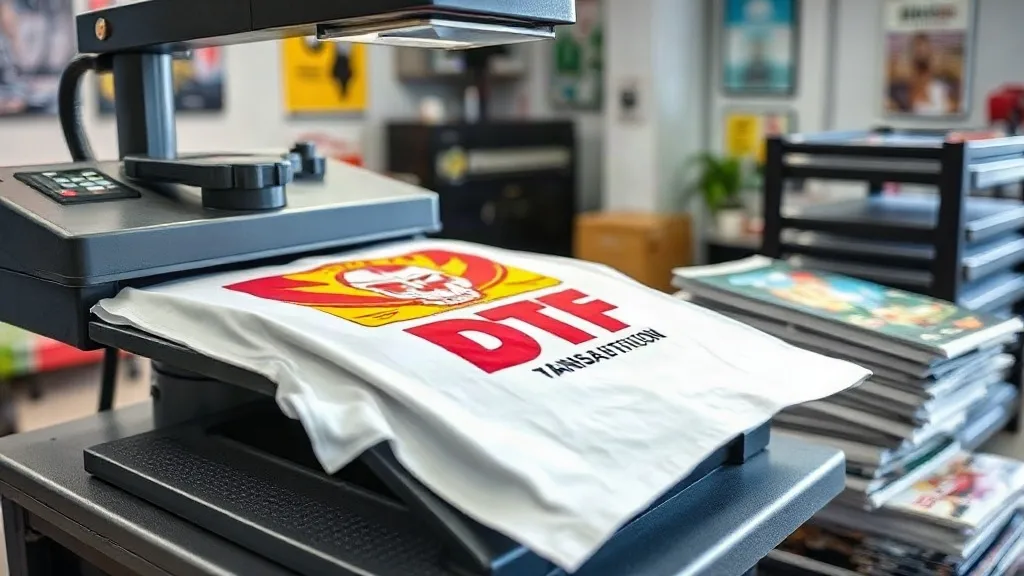
If you've been exploring custom apparel printing, you've likely encountered dtf transfers. This technology has rapidly gained popularity for its ability to produce vibrant, detailed prints on a wide range of fabrics. Whether you're a small business owner, a hobbyist, or just curious about the latest printing methods, understanding DTF transfers can open up new possibilities for your creative projects. In this guide, we'll walk you through what DTF transfers are, how they work, and why they might be the perfect solution for your printing needs.
What Are DTF Transfers?
DTF stands for Direct to Film. It's a printing method where your design is printed onto a special film, then coated with a powder adhesive and heat-pressed onto the fabric. Unlike DTG (Direct to Garment) printing, which requires specialized equipment and works best on cotton, DTF transfers can be applied to almost any fabric, including polyester, blends, and even treated nylon. This versatility makes dtf a go-to choice for many print shops and DIY enthusiasts.
The DTF Printing Process
The process begins with your digital artwork. The design is printed onto a PET film using specialized DTF inks. While the ink is still wet, a fine powder adhesive is applied and shaken off, leaving a precise coating on the ink. The film is then cured to melt the powder, creating a transfer that's ready to be heat-pressed onto fabric. When you're ready, you place the transfer on your garment, apply heat and pressure with a heat press, and peel away the film to reveal a bright, durable print.
Why Choose DTF Transfers?
There are several compelling reasons to consider DTF transfers for your next project. Here are some key benefits:
- Fabric versatility: Works on cotton, polyester, blends, and more.
- Vibrant colors: Produces high-detail, full-color prints that pop.
- Durability: Prints resist cracking, fading, and washing.
- No pre-treatment: Unlike DTG, DTF doesn't require pre-treating the fabric.
- Cost-effective for small batches: Ideal for one-offs and short runs.
These advantages make DTF transfers a versatile and reliable option for both personal and commercial use.
DTF vs. Other Printing Methods
When compared to screen printing, DTF is more accessible for small quantities and multi-color designs without the setup costs. Compared to vinyl, DTF offers more detailed and photographic prints. And unlike sublimation, which requires polyester fabrics, DTF adheres to a broader range of materials. Each method has its place, but DTF shines for its flexibility and quality.
Getting Started with DTF Transfers
Ready to dive into DTF printing? Here's what you need to know to get started.
Essential Equipment
To begin, you'll need a DTF printer, DTF inks, PET film, adhesive powder, and a heat press. While you can purchase pre-printed transfers from suppliers, setting up your own printer gives you full control. For those who prefer to buy ready-made transfers, many services offer custom prints or stock designs.
Finding DTF Transfers Near Me
If you're looking to purchase DTF transfers locally or online, searching for dtf transfers near me can help you find suppliers in your area. Local suppliers can offer faster turnaround times and the ability to inspect quality in person. However, online retailers often provide a wider selection and competitive pricing. Consider your volume and timeline to choose the best option.
Design Considerations
When preparing your artwork for DTF, keep in mind that fine details and gradients reproduce beautifully. However, avoid designs with very thin lines that might not adhere well. Also, ensure your file is high resolution (300 DPI) for crisp output.
Tips for Successful DTF Application
To get the best results from your DTF transfers, follow these practical tips:
- Preheat your garment: This removes moisture and wrinkles for a smooth application.
- Use the right settings: Follow the transfer supplier's recommendations for temperature, pressure, and time.
- Peel correctly: Most DTF transfers are cold peel, but always check instructions.
- Post-press: A second press with a Teflon sheet can enhance durability.
- Wash inside out: To prolong the life of your print, wash in cold water and avoid harsh detergents.
These steps will help you achieve professional-looking results every time.
Common Mistakes to Avoid
Even experienced users can run into issues. Here are some common pitfalls and how to avoid them:
- Insufficient pressure: Leads to poor adhesion; make sure your press is calibrated.
- Wrong temperature: Too hot can scorch the fabric; too cold won't melt the adhesive.
- Peeling too soon: Wait until the transfer is completely cool before peeling.
- Ignoring fabric type: Some fabrics may require adjusted settings.
By being mindful of these details, you'll minimize errors and waste.
Applications of DTF Transfers
DTF transfers are incredibly versatile. They're used for custom t-shirts, hoodies, tote bags, hats, and even shoes. Small businesses use them for on-demand printing, while crafters love them for personalized gifts. The ability to print full-color designs without minimums makes DTF ideal for prototypes and limited editions.
Frequently Asked Questions
How long do DTF transfers last?
With proper care, DTF prints can last as long as the garment itself. They resist fading and cracking through repeated washing.
Can I use DTF transfers on dark fabrics?
Yes, DTF transfers include a white ink layer that makes colors pop on dark materials.
Do I need a special printer for DTF?
You can buy a dedicated DTF printer or purchase pre-printed transfers from suppliers. For occasional use, buying transfers is more cost-effective.
What is the difference between DTF and DTG?
DTG prints directly onto fabric, requiring pre-treatment and works best on cotton. DTF uses a film transfer and works on more fabrics without pre-treatment.
How do I find DTF transfers near me?
Search online for local suppliers or check with print shops in your area. Many online retailers also offer fast shipping.
DTF transfers offer a fantastic way to bring your designs to life on a variety of fabrics. With the right knowledge and tools, you can achieve professional results that impress. Whether you're starting a business or exploring a new hobby, DTF printing is a valuable skill to add to your repertoire.