
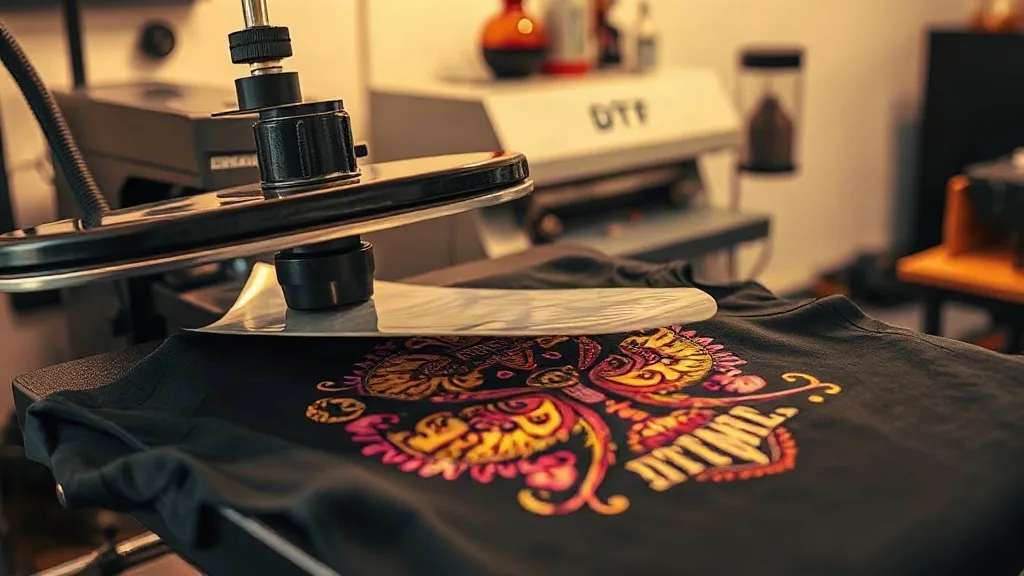
Custom apparel has never been more popular, and at the heart of this boom is a printing technology that's changing the game: dtf transfers. If you're a small business owner, a DIY enthusiast, or just someone who loves personalized clothing, you've probably heard the buzz. But what exactly are DTF transfers, and why are they taking the garment decoration world by storm? In this guide, we'll break down everything you need to know about DTF printing, from the step-by-step process to the reasons it might be the perfect solution for your next project. Whether you're looking to expand your product line or simply create unique gifts, understanding DTF technology will help you make informed decisions and achieve professional results.
What Are DTF Transfers?
DTF stands for Direct-to-Film. It's a printing method where your design is printed onto a special film, then coated with a powder adhesive and heat-pressed onto fabric. Unlike other methods like screen printing or vinyl, dtf doesn't require pre-treatment of the fabric or specialized equipment beyond a printer and a heat press. The process is surprisingly straightforward: print, powder, cure, and press. The result is a soft, stretchable print that bonds permanently to the fabric, offering incredible detail and color vibrancy. Because the design sits on top of the fabric rather than being dyed into it, DTF transfers can reproduce complex gradients, fine lines, and photorealistic images with ease. This makes them ideal for everything from intricate logos to full-color artwork.
The DTF Transfer Process: Step by Step
Understanding how DTF transfers are made can help you appreciate their quality and versatility. Here's a breakdown of the process:
- Design Preparation: Your artwork is prepared digitally, ensuring it's mirrored (since it will be transferred face-down) and sized appropriately.
- Printing: A DTF printer uses special pigment inks to print the design onto a PET film. White ink is typically used as a base to make colors pop on dark fabrics.
- Powdering: While the ink is still wet, a hot-melt adhesive powder is applied evenly over the design. The excess powder is shaken off.
- Curing: The film is then heated to melt the powder, creating a dry, tacky adhesive layer. This step is crucial for durability.
- Heat Pressing: The transfer is placed on the fabric and pressed with a heat press at a specific temperature and pressure for about 10-15 seconds. After cooling, the film is peeled away, leaving the design bonded to the fabric.
Each step requires precision, but once you have the right equipment and supplies, the process becomes second nature. Many businesses opt to buy pre-printed DTF transfers from specialized providers to skip the printing and powdering steps, focusing instead on pressing and selling.
Why Choose DTF Transfers?
There are several compelling reasons why DTF transfers have become a favorite among apparel decorators:
- Versatility: DTF works on almost any fabric, including cotton, polyester, blends, and even nylon. It's also great for dark and light colors without needing separate setups.
- Durability: When applied correctly, DTF prints resist cracking, peeling, and fading, even after multiple washes. They maintain their vibrancy and softness over time.
- No Minimums: Unlike screen printing, which requires separate screens for each color and can be costly for small runs, DTF is cost-effective for short runs and one-offs. You can print a single shirt or hundreds with the same ease.
- Detail and Color: DTF excels at reproducing complex designs with gradients, shadows, and fine details. The color vibrancy is exceptional, especially with the white ink base.
- Eco-Friendly Options: Many DTF inks are water-based and eco-friendly, and the process generates less waste compared to other methods.
These benefits make DTF transfers an attractive option for businesses looking to offer custom apparel without heavy upfront costs or technical expertise.
Finding Quality DTF Transfers Near You
If you're ready to incorporate DTF into your workflow, you might be wondering where to source transfers. Searching for dtf transfers near me can connect you with local providers who offer fast turnaround and personalized service. Local suppliers can be a great asset because you can discuss your needs directly, see samples, and build a relationship that ensures consistent quality. However, don't limit yourself to local only; many online retailers provide high-quality DTF transfers with quick shipping. When evaluating a supplier, consider the following:
- Print Quality: Look for sharp details, vibrant colors, and smooth gradients. Request samples if possible.
- Durability: Inquire about wash tests and the expected lifespan of the transfers.
- Film and Powder Quality: High-quality film and adhesive powder are essential for a soft hand feel and long-lasting results.
- Customer Service: A responsive supplier can help you troubleshoot and ensure your satisfaction.
- Turnaround Time: If you're on a tight deadline, confirm production and shipping times.
Whether you choose a local shop or an online store, always read reviews and ask for recommendations from fellow crafters. A reliable supplier will be transparent about their materials and processes.
DTF vs. Other Printing Methods
To truly appreciate DTF, it helps to compare it with other common techniques:
DTF vs. Screen Printing
Screen printing is cost-effective for large orders but requires setup costs and is limited to certain fabrics. DTF has no minimums and works on a wider range of materials, making it more flexible for small businesses and custom orders.
DTF vs. Vinyl
Vinyl is great for simple designs but struggles with complex images and gradients. DTF can handle any design with ease and offers a softer feel. Vinyl also requires weeding, which is time-consuming.
DTF vs. DTG
Direct-to-Garment (DTG) printing is excellent for detailed designs on cotton, but it requires pre-treatment and is less durable on polyester. DTF is more versatile and often more durable, especially on synthetic fabrics.
Each method has its strengths, but DTF's combination of versatility, durability, and cost-effectiveness makes it a standout choice for many applications.
Applications of DTF Transfers
DTF transfers are used across a wide spectrum of industries and personal projects:
- Custom T-shirts: From family reunions to brand merchandise, DTF delivers vibrant, lasting prints.
- Sportswear: The stretchability and durability of DTF make it ideal for jerseys, leggings, and activewear.
- Promotional Items: Tote bags, hats, and aprons can all be customized with DTF.
- Home Decor: Pillows, curtains, and even canvas prints can benefit from DTF transfers.
- Corporate Uniforms: Add logos and names to workwear with professional results.
The possibilities are nearly endless, limited only by your imagination.
Tips for Successful DTF Application
To ensure your DTF transfers look great and last long, follow these best practices:
- Preheat the Fabric: Remove moisture and wrinkles before pressing.
- Use the Right Settings: Follow the transfer supplier's recommendations for temperature, pressure, and time.
- Cool Peel: Most DTF transfers require cooling before peeling for best results.
- Post-Press: After peeling, press again for a few seconds to enhance durability.
- Wash Inside Out: To prolong the life of the print, wash garments inside out in cold water and avoid harsh detergents.
These simple steps can make a significant difference in the longevity and appearance of your DTF prints.
Frequently Asked Questions
What fabrics work best with DTF transfers?
DTF transfers adhere well to cotton, polyester, blends, and even nylon. They are particularly effective on fabrics that are difficult to print with other methods, such as polyester and synthetic blends.
How long do DTF transfers last?
With proper application and care, DTF transfers can last as long as the garment itself. They are resistant to cracking, peeling, and fading, and can withstand numerous washes.
Can I use DTF transfers on dark colors?
Yes, DTF transfers include a white ink base that allows vibrant colors to show up on dark fabrics. This makes them ideal for both light and dark garments.
Do I need special equipment for DTF transfers?
To apply DTF transfers, you need a heat press. If you want to print your own transfers, you'll also need a DTF printer, powder, and curing oven. However, many people buy pre-printed transfers to avoid the printing setup.
Where can I find DTF transfers near me?
Search online for local DTF transfer suppliers or check with nearby print shops. Many online retailers also offer fast shipping, so you can get high-quality transfers delivered to your door.