
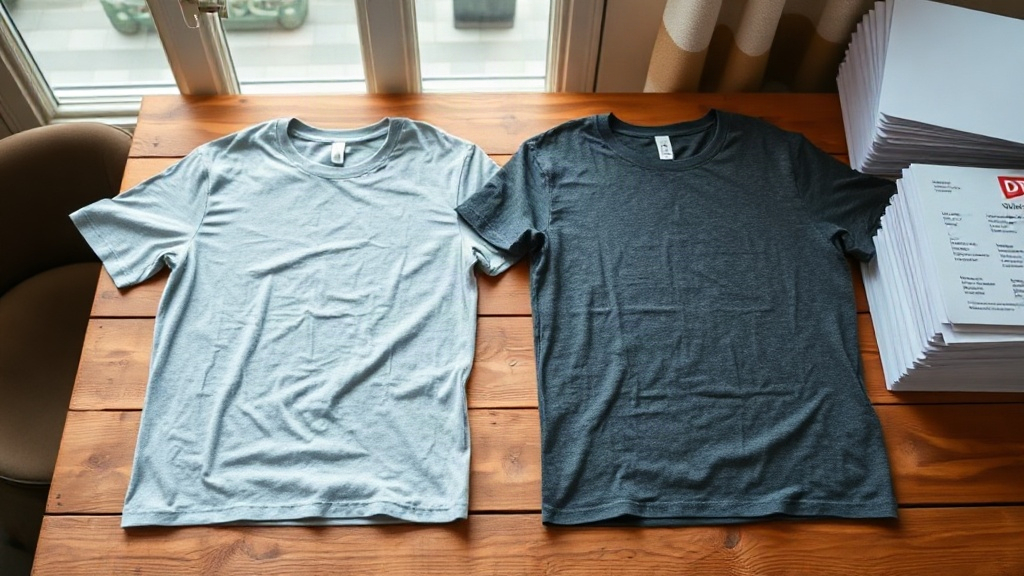
If you have ever pressed a DTF transfer onto a blank and watched it crack, fade, or peel after a few washes, you know the frustration. The truth is, the quality of your finished garment depends just as much on the blank as it does on the transfer itself. In the world of custom apparel, two names keep coming up in conversations among printers and brand owners: Smart Blanks and Shaka Wear. Both have loyal followings, but they serve different purposes and shine under different conditions. This article breaks down what makes each one tick, so you can make an informed choice for your next drop.
Why the Blank Matters for DTF Transfers
DTF transfers have exploded in popularity because they allow for vibrant, full-color designs on almost any fabric. But not all fabrics are created equal. The weave, fiber content, and finish of a garment affect how well the transfer adheres, how it feels, and how long it lasts. A cheap, loosely woven tee might seem like a bargain until you press a transfer onto it and watch the edges lift after the first wash. On the other hand, a high-quality blank with a tight weave and proper dye absorption can make your transfer look like it was screen-printed directly onto the fabric.
That is why serious printers and apparel brands spend time testing blanks. They know that the right base can elevate a design from amateur to professional. Both Smart Blanks and Shaka Wear have earned reputations in this space, but they cater to slightly different needs. Let us dig into what sets them apart.
Smart Blanks: The Modern Standard for DTF
Smart Blanks has positioned itself as a go-to choice for DTF printers who want consistent results without breaking the bank. Their garments are designed with decoration in mind, featuring a tight knit and a smooth surface that helps transfers bond evenly. Many users report that Smart Blanks tees require less pressure and lower temperatures during pressing, which can reduce the risk of scorching and extend the life of your heat press.
One of the standout features of Smart Blanks is their range of fits and colors. From classic crew necks to trendy oversized cuts, they offer options that appeal to streetwear brands and promotional clients alike. The fabric weight is typically in the mid-to-heavy range, providing a substantial feel that customers associate with quality. For DTF transfers, this weight helps prevent the transfer from sinking too deeply into the fabric, preserving the vibrancy of the print.
Key Advantages of Smart Blanks
- Consistency: Each batch tends to have minimal variation in size and color, which is crucial for large orders.
- Compatibility: The smooth surface works well with both DTF and DTG printing.
- Value: Competitive pricing makes them accessible for startups and established brands.
- Variety: A wide selection of styles, including unisex, youth, and ladies' fits.
If you are printing intricate designs with fine details, Smart Blanks often delivers sharper results because the transfer sits more on top of the fabric rather than embedding into it. This is especially important for text-heavy designs or logos with small elements.
Shaka Wear: Streetwear Staple with a Following
Shaka Wear has built a cult following in the streetwear and skate communities. Known for their heavyweight cotton tees and relaxed fits, they have become a favorite among brands that want a vintage, worn-in feel. When it comes to DTF transfers, Shaka Wear blanks present both opportunities and challenges. The heavier fabric (often 6 oz or more) provides a durable canvas that can handle larger prints without distortion. However, the slightly rougher texture of some Shaka Wear styles can make it trickier to achieve a perfectly smooth transfer, especially if you are not using a high-quality DTF film and powder.
That said, many printers swear by Shaka Wear for its ability to hold up over time. The dense cotton weave means the garment itself will outlast many cheaper alternatives, and when paired with a properly applied DTF transfer, the print can withstand dozens of washes without significant fading. The key is to adjust your press settings: slightly higher pressure and a bit more time can help the transfer penetrate the thicker fabric for a secure bond.
Key Advantages of Shaka Wear
- Durability: Heavyweight cotton that resists wear and tear.
- Aesthetic: A boxy, streetwear-friendly fit that appeals to trend-conscious buyers.
- Brand Recognition: Customers often recognize and trust the Shaka Wear name.
- Color Range: A solid selection of earthy and neutral tones that work well with vintage-style prints.
One thing to note: because Shaka Wear tees are often pre-shrunk, you can expect minimal shrinkage after washing, which is a plus for maintaining the placement of your DTF transfer.
Direct Comparison: Smart Blanks vs Shaka Wear for DTF
To make the choice easier, let us compare them head-to-head on the factors that matter most for DTF printing.
Fabric Smoothness and Transfer Adhesion
Smart Blanks generally have a smoother, more uniform surface, which allows DTF transfers to adhere evenly with less pressure. This reduces the chance of edge lifting and gives a cleaner finish. Shaka Wear, with its heavier and sometimes slightly textured fabric, may require more attention during pressing. However, with the right technique, you can achieve excellent adhesion.
Durability and Washability
Both brands offer good durability, but Shaka Wear has an edge in overall garment longevity due to its heavier weight. The DTF transfer itself, when applied correctly, will last similarly on both. The difference lies in how the fabric holds up: Shaka Wear tends to resist stretching and sagging better over time, which helps maintain the appearance of the print.
Price and Accessibility
Smart Blanks are often more budget-friendly, making them ideal for high-volume orders or testing new designs. Shaka Wear sits at a slightly higher price point, reflecting its premium positioning and brand cachet. If you are targeting a demographic that values streetwear credibility, the extra cost may be justified.
Best Use Cases
- Smart Blanks: Perfect for promotional merchandise, corporate events, and any project where consistency and cost-efficiency are top priorities.
- Shaka Wear: Ideal for streetwear drops, limited edition releases, and brands that want to convey a rugged, authentic vibe.
Tips for Successful DTF Transfers on Any Blank
Regardless of which blank you choose, following best practices will ensure your DTF transfers look professional and last. Here are some tips gathered from experienced printers.
- Pre-press the garment: This removes moisture and wrinkles, creating a smooth surface for the transfer.
- Use the right settings: Each blank may require slight adjustments in temperature, pressure, and time. Always test on a scrap piece first.
- Cool peel: Most DTF transfers work best when peeled after cooling completely. This prevents the design from stretching or tearing.
- Wash inside out: Advise your customers to wash garments inside out in cold water and avoid fabric softeners to prolong the life of the print.
- Store transfers properly: Keep unused DTF transfers in a cool, dry place away from direct sunlight to prevent premature curing.
By mastering these steps, you can achieve great results on both Smart Blanks and Shaka Wear.
Frequently Asked Questions
Can I use DTF transfers on Shaka Wear's heavyweight tees?
Absolutely. Shaka Wear heavyweight tees are a popular choice for DTF printing. Just be prepared to adjust your press settings: use slightly higher pressure and a few extra seconds to ensure the transfer bonds well with the thicker fabric. Pre-pressing is especially important to flatten the surface.
Which brand offers better color vibrancy for DTF transfers?
Color vibrancy depends more on the DTF transfer itself and the pressing technique than on the blank. However, because Smart Blanks have a smoother surface, the transfer tends to sit more on top of the fabric, which can make colors appear slightly brighter. On Shaka Wear, the texture may cause a very subtle matte effect, but with a quality transfer, the difference is minimal.
Are Smart Blanks suitable for athletic or performance wear?
Smart Blanks offers a range of styles, but their core products are cotton and cotton-blend tees. For athletic wear, you would want to look for moisture-wicking fabrics. That said, their cotton tees work well for casual athletic-inspired designs. Always check the fabric content before purchasing for specific performance needs.
How do I prevent DTF transfers from cracking on either blank?
Cracking usually happens when the transfer is not applied with enough pressure or when the garment is stretched excessively. Make sure your heat press is calibrated, use consistent pressure, and follow the transfer manufacturer's instructions. Also, avoid over-stretching the garment when wearing or washing. With proper care, DTF transfers on both Smart Blanks and Shaka Wear can remain crack-free for many washes.
Where can I buy Smart Blanks and Shaka Wear for my shop?
Both brands are available through various wholesale distributors and online retailers. Many printers source them from apparel wholesalers that cater to the decorated apparel industry. If you are looking for a reliable supplier, check out DTF Creative Hub for recommendations and resources. They specialize in DTF supplies and can point you to trusted sources.
Final Thoughts
Choosing between Smart Blanks and Shaka Wear for your DTF transfers ultimately comes down to your target market and production needs. If you value consistency, smooth printing, and cost-effectiveness, Smart Blanks is a solid workhorse. If you are building a streetwear brand that needs heavyweight, durable garments with a cool factor, Shaka Wear is worth the investment. Whichever you choose, remember that proper technique and quality transfers are the keys to a professional finish. Experiment with both, and you will find the perfect match for your next project.