
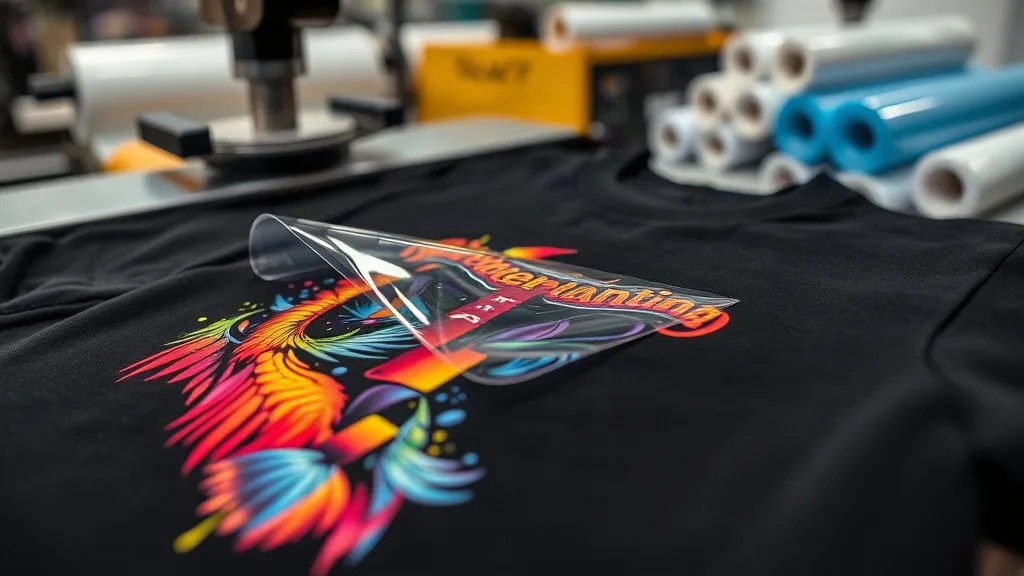
If you've been exploring custom apparel printing, you've likely encountered dtf printing. This innovative technology has taken the garment decoration industry by storm, offering a versatile and cost-effective alternative to traditional methods like screen printing and heat transfer vinyl. In this guide, we'll dive deep into dtf transfers, explaining what they are, how they work, and why they might be the perfect solution for your next project.
What Are DTF Transfers?
DTF stands for Direct-to-Film. It's a printing process where your design is printed onto a special PET film using water-based inks, then coated with a hot-melt adhesive powder. Once the powder is cured, the transfer is ready to be applied to fabric using a heat press. Unlike DTG (Direct-to-Garment) printing, which requires pre-treatment and works best on 100% cotton, DTF transfers can be applied to a wide range of materials, including cotton, polyester, blends, and even leather.
How DTF Transfers Work: Step by Step
Understanding the DTF process helps you appreciate its capabilities and limitations. Here's a breakdown of the key steps:
- Design Preparation: Your artwork is prepared digitally, ensuring it's mirrored and sized appropriately.
- Printing: A DTF printer lays down CMYK and white ink onto a PET film. The white ink acts as a base, allowing the colors to pop on dark garments.
- Powdering: While the ink is still wet, a hot-melt adhesive powder is applied evenly over the design.
- Curing: The film passes through a curing oven or heat press to melt the powder, creating a dry, tacky surface.
- Transfer: The film is placed on the garment and pressed with a heat press. After cooling, the film is peeled away, leaving the design bonded to the fabric.
Why Choose DTF Transfers?
DTF transfers offer several compelling advantages over other printing methods. Let's explore the main benefits.
1. Versatility Across Fabrics
One of the biggest selling points of DTF is its ability to adhere to almost any fabric. Whether you're working with 100% cotton t-shirts, polyester jerseys, or even canvas bags, DTF transfers deliver consistent results. This makes them ideal for businesses that handle diverse orders.
2. Vibrant Colors and Fine Details
DTF printing excels at reproducing intricate designs with gradients, fine lines, and photographic images. The white ink base ensures that colors remain vivid even on dark backgrounds, without the need for multiple screens or layers.
3. Durability and Washability
When applied correctly, DTF transfers are extremely durable. They resist cracking, peeling, and fading even after multiple washes. This longevity makes them a smart choice for workwear, sports uniforms, and promotional apparel.
4. Cost-Effective for Small and Large Runs
Unlike screen printing, which requires setup costs for each color, DTF transfers are economical for both short and long runs. You can print one-off designs or bulk orders without breaking the bank.
5. No Pre-Treatment Required
DTF eliminates the need for pre-treating garments, saving time and reducing chemical use. This simplifies the workflow and makes it more environmentally friendly compared to DTG.
Applications of DTF Transfers
DTF transfers are used in a variety of industries and personal projects. Here are some common applications:
- Custom T-Shirts: Perfect for personalized gifts, team uniforms, and fashion apparel.
- Sportswear: DTF works well on performance fabrics, providing flexibility and breathability.
- Denim and Jackets: Add intricate designs to denim without the stiffness of traditional transfers.
- Bags and Accessories: Personalize tote bags, backpacks, and hats with vibrant graphics.
- Promotional Items: Create branded merchandise for events, giveaways, and corporate gifts.
Tips for Perfect DTF Transfers
To get the best results from your DTF transfers, follow these expert tips:
- Choose the Right Film: Use high-quality PET film designed for DTF to ensure proper ink adhesion and release.
- Control Moisture: Keep your powder and film dry. Moisture can ruin the transfer.
- Press Settings: Follow the recommended temperature, pressure, and time for your specific heat press and transfer type. Typically, 325°F for 15 seconds with medium pressure works well.
- Peel Technique: Always allow the transfer to cool completely before peeling (cold peel) for best results.
- Wash Care: Wait 24 hours before washing, and turn the garment inside out. Avoid fabric softeners and bleach.
Common Mistakes to Avoid
Even experienced printers can make mistakes with DTF. Watch out for these pitfalls:
- Insufficient Powder: Too little powder leads to poor adhesion. Ensure even coverage.
- Over-Curing: Curing too long can make the transfer brittle. Follow the guidelines.
- Incorrect Pressure: Too little pressure results in incomplete transfer; too much can cause ink to spread.
- Peeling Too Soon: Hot peeling can distort the design. Always wait for it to cool.
Frequently Asked Questions
Can DTF transfers be applied to 100% polyester?
Yes, DTF transfers work well on polyester. However, because polyester is heat-sensitive, you should use a lower temperature (around 300°F) and test first to avoid scorching.
How long do DTF transfers last?
With proper application and care, DTF transfers can last as long as the garment itself. They withstand dozens of washes without significant fading or cracking.
Do I need a special printer for DTF?
Yes, you need a DTF printer that uses DTF inks and a powder shaker. However, you can also buy pre-made DTF transfers from suppliers if you don't want to invest in equipment.
Can I stretch DTF transfers?
DTF transfers have some stretchability, making them suitable for athletic wear. However, excessive stretching can cause cracking, so it's best to avoid overstretching the fabric.
Is DTF printing environmentally friendly?
DTF uses water-based inks and no pre-treatment chemicals, making it more eco-friendly than some other methods. However, the PET film and powder do create some waste, so proper disposal is important.
DTF transfers are a game-changer in the world of custom apparel. With their versatility, durability, and vibrant results, they offer a practical solution for businesses and hobbyists alike. Whether you're just starting out or looking to expand your printing capabilities, mastering DTF can open up new opportunities. Remember to follow the tips and avoid common mistakes to ensure professional-quality outcomes every time.