
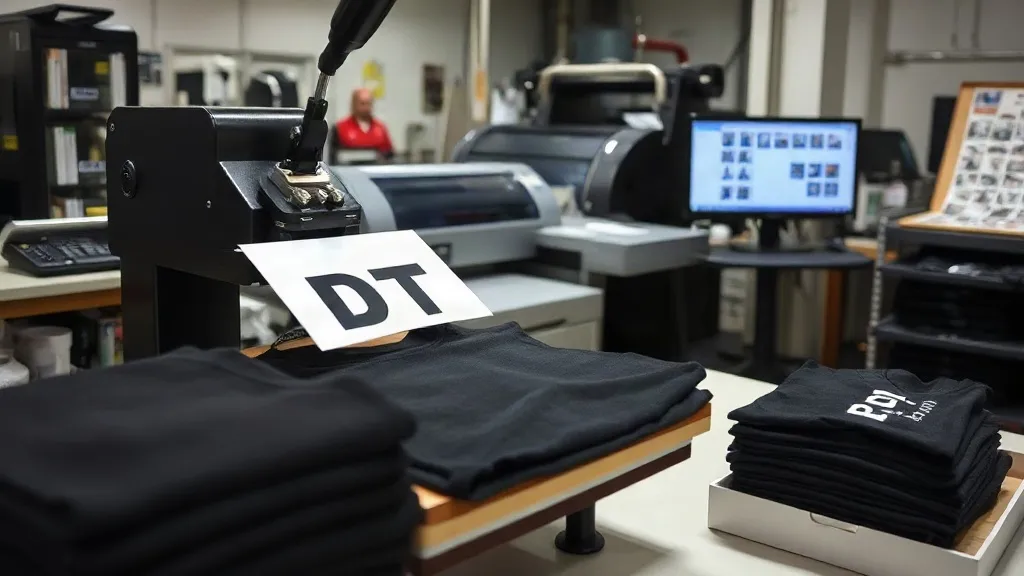
When you're printing DTF transfers onto heavyweight tees, the blank you choose can make or break the final product. shaka wear has become a go-to for print shops that need reliable, consistent results. But even the best blanks require the right technique to ensure your transfers adhere perfectly and last wash after wash. In this guide, we'll walk through the entire process of printing DTF on Shaka Wear tees, sharing practical tips and troubleshooting advice that you can apply in your shop today.
Why Shaka Wear Tees Are a Favorite for DTF Printing
Shaka Wear tees are known for their heavyweight construction, typically made from 100% cotton or cotton-poly blends. This weight and density provide a stable surface for DTF transfers, reducing the risk of shifting during pressing. The tight knit also helps prevent the transfer from sinking into the fabric, which can cause a dull or textured finish. Additionally, Shaka Wear's quality control ensures minimal shrinkage and consistent sizing, so you can count on the same results across different batches.
Another advantage is the variety of colors and styles available. Whether you need classic white tees for vibrant prints or dark heathers for muted tones, Shaka Wear offers options that cater to diverse customer preferences. This versatility makes them suitable for both small runs and large orders.
Preparing Your Shaka Wear Tees for DTF Transfers
Proper preparation is crucial for a successful DTF transfer. Start by checking the fabric content and color. For dark garments, you'll need a white toner underbase or a transfer with a white backing to ensure opacity. Pre-press the shirt for a few seconds to remove moisture and wrinkles. This step also helps the fabric settle, creating a smooth surface for the transfer.
Pre-Pressing Settings
Set your heat press to 330°F (165°C) and use medium pressure. Pre-press each shirt for 5-7 seconds. This eliminates any residual moisture from manufacturing or storage, which can interfere with adhesion. If you're working with a large batch, pre-press in small batches to maintain consistent temperature.
Handling Different Fabric Blends
Shaka Wear offers both 100% cotton and cotton-poly blends. For poly blends, lower the pressing temperature slightly to about 310°F (155°C) to prevent scorching. Always test a small area first if you're unsure. Cotton tees can handle higher heat, but be mindful of the transfer's recommended settings.
Applying DTF Transfers to Shaka Wear Tees
Once your shirt is prepped, it's time to apply the transfer. Set your press to 300-320°F (150-160°C) and use medium to firm pressure. Place the transfer on the shirt with the printed side facing up. Cover with a Teflon sheet or parchment paper to protect the transfer and your press.
Pressing Technique
Press for 10-15 seconds. For best results, use a two-step pressing method: press for 5 seconds, peel the transfer film while hot, then press again for another 5-10 seconds with a Teflon sheet. This ensures the adhesive fully bonds with the fabric. Peel the film slowly and at a low angle to prevent the design from lifting.
Cooling and Curing
After pressing, allow the shirt to cool completely before folding or packaging. This helps the adhesive set and prevents the transfer from shifting. If you're using a transfer with a hot peel, remove the film immediately after pressing; for cold peel, wait until the shirt is cool to the touch.
Troubleshooting Common DTF Issues on Shaka Wear
Even with careful preparation, issues can arise. Here are some common problems and how to fix them.
- Transfer not adhering: Increase pressure or temperature slightly. Ensure the shirt is completely dry before pressing.
- Design cracking after washing: This usually indicates insufficient pressure or time. Try pressing for a few extra seconds and ensure even pressure across the platen.
- Color fading: Use a higher quality transfer or adjust the white underbase. For dark shirts, a double white layer may be needed.
- Film peeling difficult: If the film doesn't peel cleanly, it may be due to insufficient cooling or too low a temperature. Adjust accordingly.
For more detailed guidance on creating custom gang sheets for your DTF prints, consider using a DTF Gangsheet Builder to streamline your workflow and maximize efficiency.
Maximizing Efficiency with Gang Sheets
If you're printing multiple designs on Shaka Wear tees, gang sheets can save time and reduce waste. A gang sheet allows you to arrange multiple designs on a single sheet, which is then printed and transferred in one go. This is especially useful for small orders with varied designs. When building your gang sheet, ensure proper spacing between designs to avoid overlapping and facilitate easy cutting.
Washing and Care Instructions for Your Customers
To ensure the longevity of DTF prints on Shaka Wear tees, provide your customers with proper care instructions. Recommend washing inside out in cold water and tumble drying on low. Avoid ironing directly over the print and refrain from using bleach or fabric softeners. Following these guidelines will help maintain the vibrancy and adhesion of the transfer.
Frequently Asked Questions
Can I use DTF transfers on Shaka Wear's poly-blend tees?
Yes, DTF transfers work well on poly-blends, but you should lower the pressing temperature to around 310°F (155°C) to prevent scorching. Always pre-test to find the optimal settings for your specific blend.
How do I prevent the transfer from cracking after washing?
Cracking often results from insufficient pressure or time during pressing. Ensure you're using medium to firm pressure and pressing for the full recommended time. Also, allow the shirt to cool completely before washing.
What's the best way to store DTF transfers before use?
Store transfers in a cool, dry place away from direct sunlight. Keep them flat to avoid creasing. Avoid humid environments, as moisture can affect the adhesive.
Do I need a special heat press for DTF on Shaka Wear tees?
A standard heat press with accurate temperature and pressure control is sufficient. However, a press with a larger platen can accommodate bigger gang sheets and improve efficiency.
How can I ensure consistent results across different Shaka Wear styles?
Always pre-press each shirt and test with a small sample if you're trying a new style. Keep a log of settings for each fabric type and color to maintain consistency.