
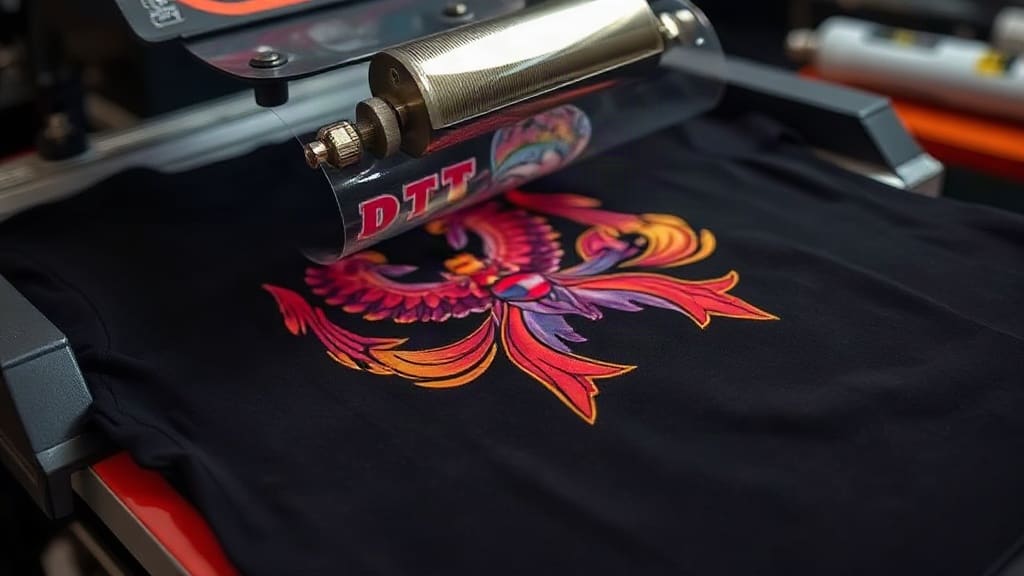
DTF transfers have taken the custom apparel world by storm, offering a flexible and cost-effective way to produce high-quality prints on a wide range of fabrics. If you're looking to expand your product line without investing in expensive equipment or complex processes, understanding how these transfers work can be a game-changer. In this guide, we'll dive deep into what makes them so popular, how to use them effectively, and how they can elevate your business to new heights.
What Are DTF Transfers?
DTF stands for Direct to Film. It's a printing method where your design is printed onto a special PET film using a DTF printer, then coated with an adhesive powder and cured. The film is then applied to the fabric using a heat press, transferring the design directly onto the material. Unlike other methods, DTF transfers can be used on a variety of fabrics, including cotton, polyester, blends, and even hard surfaces like wood or glass. This versatility is one of the main reasons why they're becoming a favorite among apparel decorators.
Why Choose DTF Over Other Methods?
When you compare DTF to traditional methods like screen printing or vinyl, several advantages stand out. For one, DTF transfers offer full-color printing without the need for multiple screens or complicated setups. You can print gradients, photographs, and intricate details with ease. The colors are vibrant and the finish is soft, with a high level of durability. Unlike heat transfer vinyl (HTV), which can crack or peel over time, DTF prints withstand repeated washings and stretching, making them ideal for apparel that gets a lot of wear.
Another benefit is the low investment cost. While direct-to-garment (DTG) printers can be expensive, a DTF setup is more affordable and doesn't require pre-treatment of the garments. Plus, the production speed is faster, especially for small orders or one-off items. You can print multiple designs on a single film and then cut them out, which saves time and material.
How to Use DTF Transfers Effectively
Getting started with DTF transfers is easier than you might think. Here's a step-by-step guide to help you produce professional results:
- Design your artwork: Use graphic design software to create your design. Ensure that the resolution is at least 300 DPI to get a crisp print. Keep in mind that the film will transfer the image as-is, so you don't need to mirror it unless you're using a specific process.
- Print on DTF film: Load the special PET film into your DTF printer, which uses CMYK and white ink. The white ink is crucial for creating a base layer that makes colors pop, especially on dark garments. Print your design normally (not mirrored) because you'll be applying the film with the print side down.
- Apply adhesive powder: While the ink is still wet, cover the printed area with DTF adhesive powder. Shake off the excess, making sure the entire design is coated.
- Cure the powder: Pass the film through the curing oven or use a heat gun to melt the powder. This creates a sticky layer that will bond with the fabric during pressing.
- Heat press the transfer: Place the film on your garment with the design facing down. Use a heat press at the recommended temperature (usually around 160°C or 320°F) for about 15-20 seconds with medium pressure. Then, peel off the film either hot or cold, depending on the instructions. For most DTF films, hot peeling is recommended.
- Press again: After peeling, cover the design with a silicone sheet or parchment paper and press for another few seconds to ensure full adhesion.
Common Mistakes to Avoid
Even with the best equipment, mistakes can happen. Here are some pitfalls to steer clear of:
- Using low-quality film or powder: This can lead to poor adhesion or cracking. Invest in reputable products to ensure durability.
- Not adjusting pressure and temperature: Each fabric type may require tweaks. Always test on a sample piece first.
- Overlooking the white ink layer: On dark colors, the white underbase is essential. If you skip it, your design will look faded.
- Incorrect peeling technique: Some films need to be peeled hot, others cold. Follow the manufacturer's guidelines to avoid lifting the design.
Creative Applications for DTF Transfers
The beauty of DTF transfers is that they open up a world of possibilities. You can create personalized t-shirts for events, custom hoodies for brands, or even unique bags and hats. Since the transfers can be cut into individual pieces, you can produce small batches without waste. This makes it perfect for on-demand printing and niche markets. For example, you could offer custom pet portraits, sports team merchandise, or employee uniforms with intricate logos. The options are endless.
Frequently Asked Questions
How long do DTF transfers last?
When properly applied, DTF transfers are extremely durable. They can withstand over 50 washes without fading or cracking, especially if you use high-quality materials and follow the correct pressing parameters. This makes them a reliable choice for items that see regular use.
Can DTF transfers be used on any fabric?
Yes, they work on a wide range of fabrics, including cotton, polyester, nylon, and blends. They also adhere well to non-fabric surfaces like ceramic and wood, making them versatile for various products.
What's the difference between DTF and DTG?
DTG (Direct to Garment) prints directly onto the shirt using a specialized printer. It requires pre-treatment for cotton and is best for detailed prints on light-colored garments. DTF, on the other hand, prints onto a film that is then heat pressed onto the fabric. DTF offers more versatility in terms of fabric types and doesn't require pre-treatment.
Do I need a special printer for DTF transfers?
Yes, you'll need a printer that supports DTF printing, which typically includes a white ink circulation system. There are many models available, from entry-level to industrial, so you can find one that fits your budget and volume needs.
Can I use DTF transfers on dark shirts?
Absolutely. In fact, DTF excels on dark fabrics because of the white ink underbase. This ensures that your colors remain vibrant and opaque, even on black or navy garments.
Final Thoughts
Incorporating DTF transfers into your custom apparel business can significantly enhance your offerings. They provide a high-quality, durable, and versatile solution that appeals to a broad clientele. By mastering the process and avoiding common mistakes, you'll be able to produce stunning products that keep your customers coming back. Whether you're just starting out or looking to diversify, DTF transfers are a smart investment that can transform your business.