
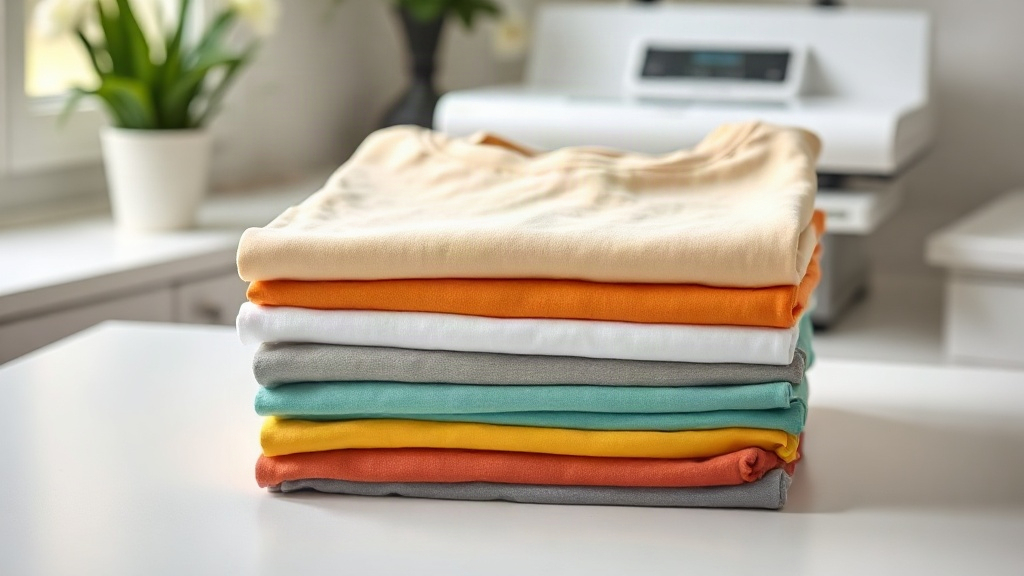
When it comes to creating custom apparel that stands out, the foundation of your design is just as important as the design itself. That's where smart blanks come in. These specially engineered garments are designed to work seamlessly with DTF transfers, ensuring that your prints look vibrant, feel soft, and last wash after wash. Whether you're a small business owner, a hobbyist, or a professional printer, understanding the role of smart blanks can transform your output from good to exceptional.
In this guide, we'll dive deep into what makes smart blanks different, why they matter for DTF transfers, and how to choose the best blanks for your projects. We'll also spotlight a brand that's making waves in the industry: Shaka Wear. By the end, you'll have the knowledge to select blanks that not only meet your printing needs but also impress your customers.
What Are Smart Blanks?
Smart blanks are garments specifically manufactured with a focus on printability, comfort, and durability. Unlike standard blanks, they undergo special treatments and quality control measures to ensure optimal performance with modern printing techniques, especially DTF transfers. The term "smart" refers to the intelligent design choices—like consistent fabric density, precise stitching, and minimal shrinkage—that make them ideal for customization.
These blanks often feature a high thread count, which provides a smooth surface for DTF transfers to adhere to. They also tend to have a tighter weave, reducing the chance of print distortion. Additionally, smart blanks are typically pre-shrunk, so your finished product maintains its size and shape after washing.
Key Characteristics of Smart Blanks
- Fabric Consistency: Uniform thickness and texture across the entire garment.
- Pre-Shrunk: Minimal shrinkage after washing, preserving the fit and print.
- Smooth Surface: Ideal for detailed DTF transfers without texture interference.
- Durable Construction: Reinforced seams and quality materials for long-lasting wear.
- Colorfastness: Resists fading, keeping both the garment and print vibrant.
When you use smart blanks, you're not just buying a t-shirt or hoodie; you're investing in a canvas that enhances the final product. This is particularly crucial for DTF transfers, which rely on a strong bond between the transfer and the fabric.
Why Smart Blanks Matter for DTF Transfers
DTF transfers have revolutionized the custom apparel industry. They allow for full-color, photographic-quality prints on a wide range of fabrics without the need for weeding or masking. However, the success of a DTF transfer largely depends on the blank it's applied to. Here's why smart blanks are a game-changer:
1. Enhanced Adhesion
The adhesive used in DTF transfers needs a smooth, clean surface to bond effectively. Smart blanks provide that surface, reducing the risk of peeling or cracking. Cheaper blanks with inconsistent fabric can lead to poor adhesion, causing the transfer to lift at the edges after a few washes.
2. Superior Print Quality
Because smart blanks have a tight weave, the DTF transfers sit evenly on the fabric, resulting in crisp lines and vibrant colors. On rougher fabrics, the print may appear grainy or muted. Smart blanks ensure that every detail, from fine text to intricate graphics, is reproduced faithfully.
3. Longevity
When a DTF transfer is applied to a smart blank, the bond is stronger and more resilient. This means the print can withstand repeated washing and wearing without fading or cracking. For businesses, this translates to happier customers and fewer returns.
4. Comfort and Fit
Smart blanks are designed with the end-wearer in mind. They often feature softer fabrics, tagless labels, and modern fits that appeal to today's consumers. When you combine a comfortable garment with a high-quality DTF transfer, you create a product that people actually want to wear.
Choosing the Right Smart Blanks: Factors to Consider
Not all blanks are created equal. To get the best results with DTF transfers, you need to evaluate several factors:
Fabric Type
Cotton, polyester, and blends each behave differently with DTF transfers. Cotton offers a soft feel and good ink absorption, while polyester provides durability and color vibrancy. Blends can offer the best of both worlds. Smart blanks are available in various fabric compositions, so consider your target audience and the intended use.
Weight and Thickness
The weight of the fabric (measured in GSM) affects how the garment drapes and how the DTF transfer appears. Heavier fabrics like 100% cotton tees (180-220 GSM) are great for everyday wear, while lighter fabrics (140-160 GSM) are ideal for performance apparel. Smart blanks maintain consistent weight throughout.
Color
While DTF transfers can print on any color, the base color of the blank can influence the final look. For example, white transfers on dark blanks require a white underbase, which smart blanks handle well due to their smooth surface. Always test your transfers on the actual blank color you plan to use.
Brand Reputation
Some brands are known for their consistency and quality. Shaka Wear is a standout in the smart blanks category. Their garments are crafted with premium materials and rigorous quality control, making them a favorite among DTF printers.
Spotlight on Shaka Wear: Premium Smart Blanks
Shaka Wear has built a reputation for producing high-quality blanks that cater to the custom apparel industry. Their garments are designed to meet the demands of modern printing techniques, including DTF transfers. Here's why Shaka Wear stands out:
- Premium Fabrics: Made from 100% cotton or cotton-poly blends that are soft yet durable.
- Consistent Sizing: Pre-shrunk and true to size, reducing returns.
- Smooth Printing Surface: Ideal for detailed DTF transfers.
- Wide Range: From t-shirts to hoodies, available in various colors and sizes.
- Ethical Manufacturing: Produced in facilities that prioritize fair labor and sustainability.
When you choose Shaka Wear, you're choosing blanks that have been tested and trusted by professionals. Their garments provide the perfect canvas for your DTF transfers, ensuring that your designs look their best.
Maximizing Your DTF Transfers on Smart Blanks
Once you've selected your smart blanks, the next step is to apply your DTF transfers correctly. Here are some best practices:
Pre-Treat the Fabric
Although smart blanks are designed for printing, a quick pre-press can remove moisture and wrinkles, ensuring a smooth application. Set your heat press to the recommended temperature (usually around 300-325°F) and press for a few seconds.
Use the Right Settings
Each DTF transfer comes with specific instructions. Typically, you'll press at 325°F for 15-20 seconds with medium pressure. Always follow the manufacturer's guidelines for the best results.
Peel with Care
After pressing, allow the transfer to cool completely before peeling the film. This ensures the adhesive has fully bonded to the fabric. For a matte finish, you can do a second press with a Teflon sheet for a few seconds.
Wash and Care
To prolong the life of your printed apparel, advise your customers to wash inside out in cold water and tumble dry low. Avoid ironing directly on the print. Smart blanks and quality DTF transfers will withstand normal washing, but proper care extends their lifespan.
Common Mistakes to Avoid with Smart Blanks and DTF Transfers
Even with the best materials, mistakes can happen. Here are some pitfalls to watch out for:
- Using the wrong pressure: Too little pressure leads to poor adhesion; too much can cause the transfer to spread.
- Ignoring fabric composition: Different fabrics require different pressing parameters.
- Skipping pre-press: Moisture can cause the transfer to fail.
- Peeling too soon: Always wait for the transfer to cool.
- Neglecting storage: Store DTF transfers in a cool, dry place to prevent premature curing.
By avoiding these mistakes, you'll achieve professional-looking results every time.
Frequently Asked Questions
What are smart blanks and why should I use them for DTF transfers?
Smart blanks are garments engineered for optimal printability, comfort, and durability. They provide a smooth, consistent surface that enhances the adhesion and appearance of DTF transfers, resulting in vibrant, long-lasting prints.
Is Shaka Wear a good brand for DTF printing?
Absolutely. Shaka Wear is known for its premium quality and consistency. Their blanks are pre-shrunk, have a tight weave, and are made from soft, durable fabrics, making them an excellent choice for DTF transfers.
How do I choose the right smart blank for my project?
Consider the fabric type, weight, color, and intended use. For a soft feel, go with 100% cotton; for durability and vibrancy, choose polyester blends. Always test a sample before full production.
Can I use DTF transfers on any fabric?
DTF transfers work best on cotton, polyester, and blends. They can also be applied to other materials like canvas and denim, but always test first to ensure compatibility.
How should I care for apparel with DTF transfers?
Wash inside out in cold water, tumble dry low, and avoid ironing directly on the print. Following these care instructions will keep your DTF transfers looking new for years.
By now, you should have a solid understanding of smart blanks and their importance for DTF transfers. Whether you're new to the craft or a seasoned pro, choosing the right blanks—like those from Shaka Wear—can make all the difference. So go ahead, stock up on quality smart blanks, and watch your custom apparel business thrive.