
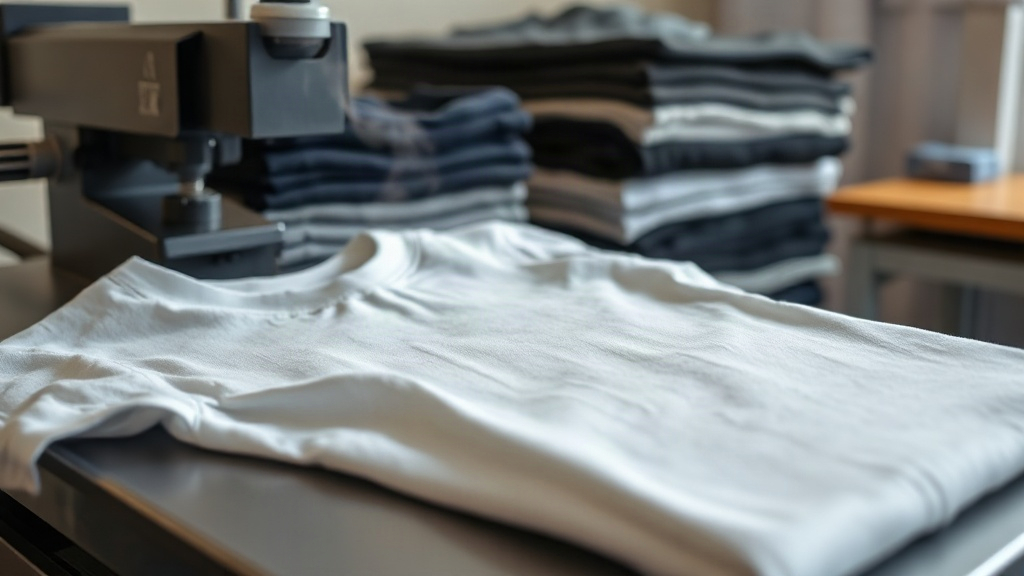
If you have ever pulled a heat press open only to find a dull, cracked, or washed-out print, you know the blank matters as much as the transfer itself. When you are working with dtf transfers, the fabric you press onto decides whether your design looks sharp for years or fades after a few washes. Two names that come up often in print shops and small apparel brands are Smart Blanks and Shaka Wear. Both have loyal followings, but they serve different needs. This article breaks down how each performs with DTF, so you can choose the right blank for your next project without wasting money on trial and error.
Why the Blank Matters for DTF Transfers
DTF transfers are printed on a special film, coated with adhesive powder, and then heat-pressed onto fabric. The adhesive needs to grab the fibers and lock in. If the fabric has a heavy silicone finish, a tight synthetic weave, or too much texture, the transfer may not adhere properly. On the other hand, a blank that is too loose or has a high polyester content can cause the ink to look faded or feel rubbery. The ideal blank for DTF has a smooth, even surface, a cotton-rich or cotton-poly blend, and minimal treatment that interferes with adhesion.
Smart Blanks: The Workhorse for DTF
Smart Blanks have become a go-to for many DTF printers because they are designed with decoration in mind. The brand focuses on consistent fabric quality and a smooth print surface. Most Smart Blanks tees are made from 100% cotton or a cotton-poly blend with a tight knit that accepts DTF transfers beautifully. The adhesive bonds well, and the print stretches with the fabric without cracking. In our shop, we have pressed hundreds of DTF transfers onto Smart Blanks, and the results are reliably vibrant.
Fabric and Construction
Smart Blanks offer a range of weights, from lightweight 4.2 oz to heavier 6.1 oz. For DTF, the mid-weight options tend to be the sweet spot: heavy enough to hold the print flat, but not so thick that heat penetration becomes an issue. The cotton is ring-spun, which gives a softer hand feel and a smoother surface. The seams are clean, and the collar holds its shape after washing. If you are printing detailed designs with fine lines, the smooth surface of Smart Blanks helps every dot of the transfer land exactly where it should.
Print Performance with DTF
When we tested Smart Blanks with dtf transfers, the prints came out sharp with strong color payoff. The adhesive powder melted evenly, and after a standard press at 325°F for 15 seconds, the transfer had a low profile and a soft feel. We washed the shirts inside out in cold water and dried on low heat. After 20 washes, the prints showed minimal fading and no cracking. The only caveat: on darker colors, you need a white underbase in your transfer, which is standard for DTF anyway. Smart Blanks take that without any issues.
Fit and Sizing
Smart Blanks tend to run true to size with a classic unisex fit. They are not overly boxy, but they are not slim either. For retail brands, this is a safe choice because it appeals to a wide range of customers. If you are selling online, you can confidently list them as standard fit. The consistency across colors is also good; we have not seen major size variations between dye lots, which is crucial when you are fulfilling orders in bulk.
Shaka Wear: Heavyweight and Streetwear-Ready
Shaka Wear has a different reputation. It is known for heavyweight, durable tees that cater to streetwear and skate brands. The fabric is often 100% cotton, but it is thicker and has a more structured drape. For DTF, this can be both a blessing and a challenge. The heavier weight means the shirt can handle a thicker transfer without sagging, but the tighter weave sometimes requires a bit more pressure to get the adhesive to penetrate.
Fabric and Construction
Shaka Wear tees typically range from 5.5 oz to 7 oz, with some styles going even heavier. The cotton is usually carded open-end, which gives a slightly rougher texture than ring-spun. That texture can show through a DTF transfer if you are not careful. However, the heavier fabric is great for oversized prints and all-over designs because it resists stretching and distortion. The construction is robust: double-needle stitching, shoulder-to-shoulder taping, and a thick collar that stands up to repeated wear.
Print Performance with DTF
We pressed the same DTF transfers onto Shaka Wear tees to compare. The prints adhered well, but we needed to increase pressure slightly and extend the press time by a few seconds to get the same bond. The texture of the fabric was slightly visible under the transfer, especially on lighter colors. For bold, simple graphics, this is fine. For fine details or small text, the Smart Blanks gave a cleaner result. After washing, the Shaka Wear prints held up well, but the heavier fabric meant the print felt a bit stiffer initially. It softened after a couple of washes.
Fit and Sizing
Shaka Wear fits larger and boxier than Smart Blanks. Their tees are often described as oversized, which is exactly what streetwear customers want. If you are targeting that market, Shaka Wear is a strong choice. But if you are selling to a general audience, you may get returns from customers who expect a standard fit. Also, Shaka Wear sizes can vary slightly between styles, so always check the specific product specs before ordering in bulk.
Direct Comparison: Smart Blanks vs Shaka Wear for DTF
To make it easier, here is a side-by-side breakdown of the key factors:
- Fabric smoothness: Smart Blanks wins for fine details; Shaka Wear has more texture.
- Weight options: Shaka Wear offers heavier weights; Smart Blanks has a broader mid-weight range.
- Adhesion: Both work well, but Smart Blanks require less pressure for a secure bond.
- Fit: Smart Blanks is true to size; Shaka Wear runs large and boxy.
- Price: Smart Blanks is generally more affordable; Shaka Wear commands a premium for heavyweight styles.
- Best for: Smart Blanks for retail and detailed prints; Shaka Wear for streetwear and oversized graphics.
Which One Should You Choose?
There is no single right answer. If you are running a print shop that handles a variety of jobs, from corporate logos to band merch, Smart Blanks offer the versatility and consistent print quality you need. They are forgiving with DTF transfers and keep your production moving. If your brand identity is built on heavy, oversized tees with bold graphics, Shaka Wear delivers that streetwear aesthetic and durability. Many shops stock both and choose based on the design and customer. The key is to test a few pieces from each brand with your specific DTF setup. Every heat press behaves differently, and your environment plays a role too.
Frequently Asked Questions
Can I use DTF transfers on 100% polyester Shaka Wear shirts?
Yes, but you need to adjust your press settings. Polyester requires lower temperature (around 280°F to 300°F) and shorter press time to avoid scorching or dye migration. Also, use a cover sheet to protect the fabric. DTF on polyester can look slightly less vibrant because the ink sits on top, but with a good transfer it still works well.
Do Smart Blanks require any special pretreatment for DTF?
No pretreatment is needed for DTF. Just make sure the shirt is free of wrinkles and moisture. A quick pre-press for 5 to 10 seconds removes moisture and relaxes the fabric, which helps the transfer adhere evenly. That is all you need.
How do I prevent DTF prints from cracking on either blank?
Cracking usually comes from improper pressing or washing. Use medium pressure, ensure the transfer cools completely before peeling, and wash the garment inside out in cold water. Avoid fabric softener and high heat in the dryer. With the right technique, both Smart Blanks and Shaka Wear hold up well.
Which blank is better for children's clothing with DTF?
Smart Blanks are often a better choice for kids' apparel because they are lighter weight and softer, which parents prefer. Shaka Wear's heavyweight fabric can feel too stiff for children. Also, Smart Blanks offer a wide range of sizes, including youth, making them more versatile for family-oriented brands.
Are DTF transfers on Shaka Wear more expensive to produce?
The transfer itself costs the same regardless of the blank. However, Shaka Wear shirts cost more than Smart Blanks, so your overall production cost per piece is higher. If you are selling at a premium price point, that is fine. For budget-friendly lines, Smart Blanks help keep costs down without sacrificing print quality.