
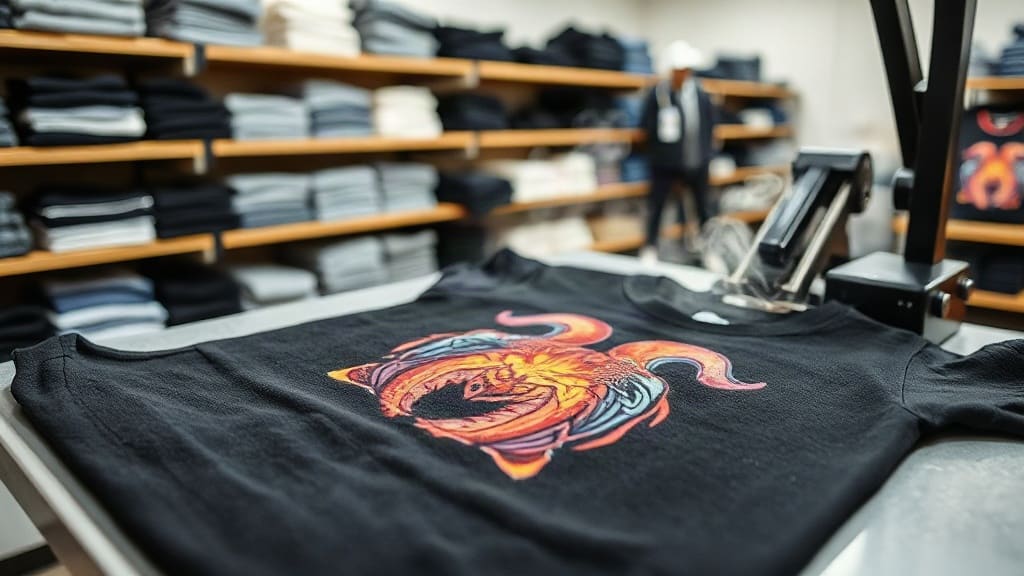
DTF transfers have revolutionized the custom printing industry, offering a flexible and cost-effective solution for creating vibrant designs on various fabrics. Whether you're a small business owner, a hobbyist, or a large-scale manufacturer, understanding this technology can open up new possibilities. In this guide, we'll dive deep into what DTF transfers are, how they compare to other methods, and how you can achieve professional results every time.
What Are DTF Transfers?
DTF (Direct to Film) transfers involve printing a design onto a special PET film using DTF inks, then applying an adhesive powder to the printed film. After curing the powder, the transfer is heat-pressed onto the fabric, resulting in a durable and flexible print. Unlike traditional methods, this process does not require pre-treating the fabric, making it suitable for a wide range of materials, including cotton, polyester, blends, and even nylon.
The Process Explained
The DTF process is straightforward but requires precision:
- Print your design in reverse onto the PET film using a DTF printer.
- Apply the hot-melt adhesive powder to the wet ink using a shaker or powder applicator.
- Cure the powder in a curing oven or tunnel to melt it and bond it to the ink.
- Place the film on the garment, adhesive side down, and press with a heat press at around 160°C (320°F) for 15-20 seconds.
- Peel the film away (either hot or cold, depending on the adhesive) to reveal your transfer.
Benefits of Using DTF Transfers
DTF transfers offer numerous advantages, making them a popular choice for custom printing:
- Versatility: Works on many fabrics without pre-treatment.
- Vibrant Colors: High opacity and excellent washability.
- Soft Hand Feel: The print is flexible and does not crack easily.
- Cost-Effective for Small Runs: Ideal for on-demand printing without high minimums.
- Easy to Store: Transfers can be pre-printed and stored for later use.
DTF vs. DTG vs. Screen Printing
Choosing the right printing method depends on your needs. Here’s a comparison:
| Method | Pros | Cons |
|---|---|---|
| DTF | Works on many fabrics, minimal setup, good for small batches | Requires heat press, powder application equipment |
| DTG | Great for detailed, full-color prints on cotton | Slower, fabric pre-treatment needed, higher cost per unit |
| Screen Printing | Low cost for large runs, vibrant colors | Setup cost high, not economical for small quantities |
For most small to medium-sized businesses, DTF transfers offer a balance of quality, cost, and flexibility.
Step-by-Step Guide: How to Apply DTF Transfers
Applying DTF transfers is simple if you follow these steps:
- Pre-press the garment: Press for 2-3 seconds to remove moisture and wrinkles.
- Position the transfer: Place the film with the printed side facing the garment.
- Heat press: Use a heat press at 160°C (320°F) with medium to firm pressure for 15-20 seconds.
- Peel: For best results, peel the film while it's still warm (hot peel) unless specified otherwise.
- Post-press (optional): Some prefer to cover with a parchment paper and press again for 5 seconds to increase durability.
Tips for Perfect DTF Transfers
- Use high-quality films and inks to avoid fading or cracking.
- Ensure the adhesive powder is evenly applied; too little and the print may not stick, too much can cause excess glue to show.
- Calibrate your printer regularly to maintain color accuracy.
- Test on a sample fabric before running a large batch.
- Store unused transfers in a cool, dry place to prevent premature curing.
Common Problems and Solutions
Problem: Print is not sticking properly
This can happen if the temperature is too low, pressure is insufficient, or the powder is not cured enough. Increase the temperature and pressure, and ensure the powder is fully cured.
Problem: Colors are faded
Faded colors may result from low ink density, too high temperature causing ink burn, or using low-quality ink. Check your printer settings and use premium DTF inks.
Frequently Asked Questions
Can DTF transfers be used on dark fabric?
Yes, DTF transfers work exceptionally well on dark fabrics because the white ink layer provides a solid base, making colors pop.
How many washes do DTF transfers last?
With proper care, DTF transfers can withstand 40-60 washes without significant fading or cracking. Washing inside out in cold water and air drying extends their life.
Do I need special equipment to start with DTF?
You'll need a DTF printer, PET film, adhesive powder, a curing oven (or a heat press for small batches), and a heat press. Many start with a modified Epson printer.
Can I use DTF transfers on non-clothing items?
Yes, DTF transfers can be applied to hats, bags, and other fabrics, but the material must withstand the heat press temperature.
Conclusion
DTF transfers are a game-changer in the printing industry. Their versatility, ease of use, and cost-effectiveness make them an excellent option for businesses looking to expand their product offerings. By following the steps and tips in this guide, you can create high-quality, durable custom prints that impress your customers. Whether you're just starting or looking to improve your process, DTF technology is worth exploring.