
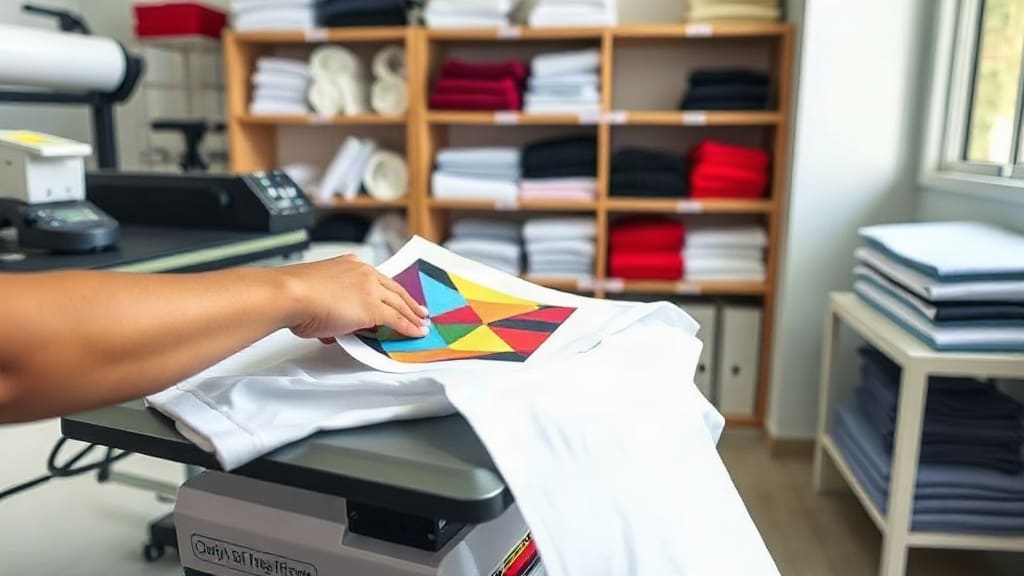
If you're searching for DTF transfers, you've probably realized that not all printers are created equal. The rise of direct-to-film technology has made custom apparel easier than ever, but it also means more options to sift through. Whether you're a small business owner, a hobbyist, or someone just starting a clothing line, finding the right printer can make or break your product quality and profit margins. In this guide, I'll share practical tips on how to locate top-notch DTF transfers near me, what to look for in a provider, and how to negotiate the best prices without sacrificing quality.
Why the Search for Local DTF Transfers Matters
You might be tempted to order from the first online store that pops up, but there's a reason why local sourcing is often better. When you choose a nearby provider, you can inspect samples in person, reduce shipping times, and support your local economy. Plus, if any issues arise, you have the advantage of direct communication and faster resolution. But “near me” doesn't automatically mean quality. You need to do your homework to avoid common pitfalls like poor color matching, weak adhesion, or inconsistent sizing.
I remember my first experience with a local transfer shop. The samples looked great online, but when I pressed them onto a shirt, the colors were washed out and the film peeled after a few washes. It was a costly lesson. Since then, I've developed a checklist that has saved me time and money. Let me walk you through it so you don't make the same mistakes.
How to Evaluate DTF Transfer Printers
When you search for DTF transfers near me, you'll likely find a mix of large commercial printers and small home-based operations. Both can produce excellent results, but you need to know how to assess their capabilities. Here are the key factors to consider:
1. Sample Quality and Consistency
Always request samples before committing to a bulk order. A reliable printer will gladly provide a few test prints. Examine the following:
- Color vibrancy: Are the colors rich and accurate to the design?
- Edge sharpness: Are the lines clean without bleeding?
- Adhesion: Press the sample onto a fabric and see how well it sticks after washing.
- Stretchability: Does the transfer crack or peel when the fabric stretches?
Don't just test once. Wash the sample a few times to simulate real wear. High-quality DTF transfers should withstand at least 20 washes without significant fading or peeling. If a printer hesitates to provide samples or asks for a high fee, that's a red flag.
2. Film and Ink Quality
The materials used are crucial. Ask about the type of film and ink they use. Premium options include PET film with a matte or glossy finish, and water-based inks that are eco-friendly and produce softer prints. Some printers use cheaper solvent inks that may have a chemical smell or feel stiff on the fabric. A reputable provider will be transparent about their supplies.
Also, ask about the adhesive powder. Quality powder should melt evenly at the right temperature, creating a strong bond. Inferior powders can leave a residue or fail to adhere properly, especially on dark fabrics.
3. Turnaround Time and Capacity
If you have a deadline, inquire about their production speed. Local printers often have faster turnaround times because they don't have to factor in long shipping routes. However, make sure they can handle your order volume. A small shop might produce 50 transfers a day, while a larger one could do 500. Choose one that fits your needs.
Also, clarify their shipping or pickup options. If you're local, you might save on shipping costs by picking up the order yourself. Some printers even offer rush services for an extra fee, which can be a lifesaver for urgent orders.
How to Save Money Without Cutting Corners
Price is a major concern for many buyers. While it's tempting to go with the cheapest option, remember that low prices often reflect lower quality. Instead of just comparing numbers, consider the value you're getting. Here are some strategies to get the best deal:
1. Order in Larger Quantities
Most printers offer volume discounts. If you need multiple designs, consider combining them into one order. For example, if you're running a small apparel brand, print 50 of each design instead of 10 separate orders. You'll save on setup fees and per-unit costs.
2. Optimize Your Designs
Complex designs with lots of colors or tiny details may cost more due to the printing process. Simplify your artwork when possible without losing its essence. Also, ensure your files are in the correct format (usually PNG with transparency) and at high resolution (300 DPI) to avoid extra charges for file preparation.
3. Build a Relationship with Your Printer
If you find a printer that delivers quality, stick with them. Regular customers often get preferential pricing, faster turnaround, and better communication. Some printers even offer loyalty discounts or free shipping after a certain order volume. Treat your printer as a partner, not just a vendor, and you'll both benefit.
4. Compare Quotes from Multiple Providers
Don't settle on the first DTF transfers near me you find. Get quotes from at least three different shops. Provide the same design and specifications to each, so you can compare apples to apples. Be wary of quotes that are significantly lower than others; they might be cutting corners.
When comparing, ask about:
- Setup fees (if any)
- Price per transfer (for different sizes)
- Shipping or pickup costs
- Turnaround time
- Warranty or return policy
Common Pitfalls to Avoid
Even when you think you've found the perfect printer, there are potential issues that can arise. Here are the most common ones and how to avoid them:
Color Mismatch
Colors can look different on your screen compared to the printed result. To avoid disappointment, ask your printer to do a color test with your design. Many use ICC profiles to ensure accuracy, but it's always safer to approve a physical sample before mass production.
Poor Adhesion on Dark Fabrics
Dark fabrics require a white underbase to make colors pop. If your printer doesn't apply a proper underbase, your design may look faded or appear with a chalky texture. Always request a sample on the exact fabric you plan to use.
Inconsistent Sizing
If you're ordering multiple copies of the same design, ensure they're all the same size. Some printers might scale them slightly differently due to software errors. Check the dimensions on your samples and specify the exact size in inches or centimeters.
How to Prepare Your Artwork for DTF
Your printer might not offer design services, so it's helpful to know how to prepare your files correctly. Here's a quick checklist:
- Use a transparent background (PNG format).
- Keep a resolution of at least 300 DPI.
- Convert all text to outlines to avoid font issues.
- Set your color mode to CMYK (for print) or use Pantone colors if you need exact matches.
- Add a bleed area if your design extends to the edge of the transfer.
If you're not confident in your design skills, many printers offer design assistance for a fee. It's worth the investment to ensure your transfers look professional.
Making the Most of Your DTF Transfers
Once you've received your DTF transfers, proper handling is key to a successful application. Follow these tips:
Storage
Keep transfers in a cool, dry place away from direct sunlight. Excessive heat or humidity can cause the adhesive to degrade. Store them flat to prevent curling.
Pressing Conditions
Each printer may recommend specific temperature, time, and pressure settings. Usually, it's around 320°F for 10-15 seconds with medium pressure. But always follow the manufacturer's instructions. Test on a scrap fabric first.
Peeling
Wait a few seconds after pressing before peeling the film. Some films require hot peel, others cold. Peeling too early can pull the design off, while peeling too late might cause the adhesive to stick to the film. Follow the guidance from your printer.
When to Consider Online vs Local
Local printers are great, but they're not always available in every area. If you can't find a reputable one nearby, don't despair. Many online services offer comparable quality and fast shipping. The key is to read reviews, check their social media, and order samples before committing.
However, if you're in a time crunch or need to see the product before purchase, local is the way to go. Even if you have to travel a bit, the benefits often outweigh the convenience of online ordering.
Case Study: How One Small Business Saved 30%
Let me share a real-life example. A friend of mine runs a custom T-shirt business. Initially, she was ordering from a national online retailer. The quality was decent, but shipping costs were eating into her margins. She decided to search for DTF transfers near me and found a local shop that offered a 10% discount for first-time customers. She ordered samples, compared them to her previous provider, and was impressed with the color accuracy. By switching to the local printer and ordering in bulk, she saved 30% on her overall transfer costs. Plus, she could pick up orders same-day, eliminating shipping delays.
This story isn't unique. Many small businesses have found that sourcing locally not only saves money but also builds a community connection.
Conclusion
Finding high-quality DTF transfers near me doesn't have to be a guessing game. By evaluating printers on samples, materials, and communication, you can ensure you're getting a product that meets your standards. Remember to balance cost with quality, and don't be afraid to ask questions. With the right approach, you'll find a printer that becomes a valuable asset to your business.
Now it's your turn: start your search, request samples, and compare. Your customers will notice the difference in the final product, and your bottom line will thank you.
Frequently Asked Questions
What is the typical turnaround time for a local DTF transfer order?
Turnaround times vary by printer and order size. For a standard order of 50 transfers, many local printers can complete it within 2-3 business days. If you need rush service, ask about expedited options, which may cost extra.
Can I order just one DTF transfer as a sample?
Yes, most printers will sell individual samples, but they may charge a higher per-piece price. Some might even waive the sample fee if you later place a larger order. Always ask about sample policies.
What's the minimum order quantity for DTF transfers?
Minimums vary widely. Some printers have no minimum, while others require at least 10 or 20 per design. If you're just testing, look for a printer that offers low minimums.
How do I ensure the colors in my design match the final print?
Request a physical proof or sample before mass production. Make sure your design is in CMYK mode and use a calibrated monitor. Additionally, ask your printer about their color management process.
Can DTF transfers be used on any fabric?
DTF transfers work best on cotton, polyester, and blends. They can also be applied to other materials like nylon, but the adhesion may vary. Always test on a small area first.