
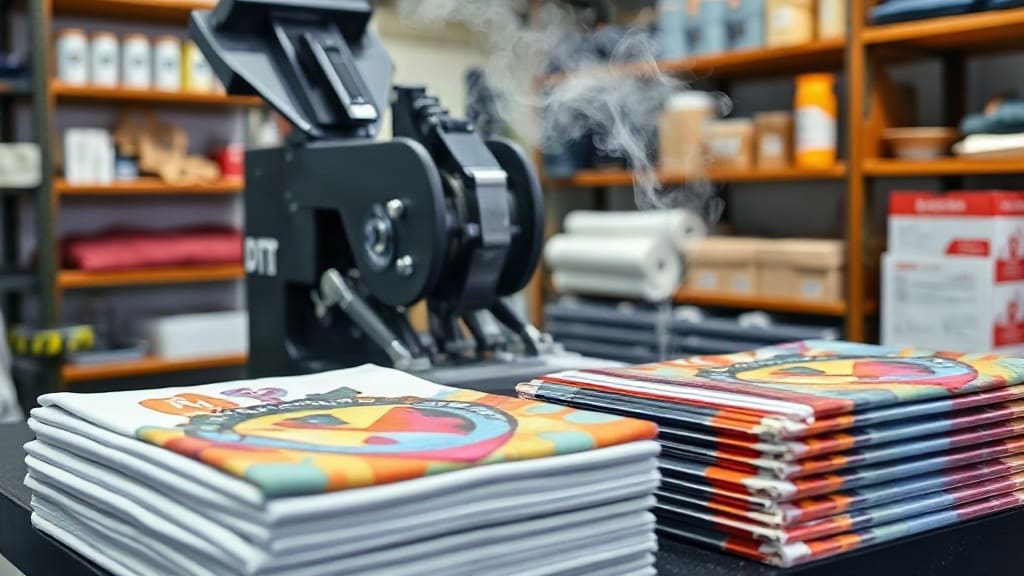
If you've been searching for a cost-effective way to create custom apparel, you've likely come across dtf transfers. This printing method has taken the industry by storm, offering a flexible and eye-catching alternative to traditional screen printing or heat transfer vinyl. But what exactly is DTF, and why is it becoming the go-to choice for small businesses and hobbyists alike? In this guide, we'll walk you through everything you need to know, from how it works to practical tips for getting the best results.
What Are DTF Transfers? A Deep Dive
DTF stands for Direct to Film. In this process, a design is printed onto a special PET film using a DTF printer and specialized inks. After printing, an adhesive powder is applied to the wet ink, and the film is cured. The result is a transfer that can be pressed onto a wide range of fabrics. Unlike traditional methods that require separate screens or vinyl cutting, DTF prints full-color designs with incredible detail and soft hand feel.
One of the biggest advantages of dtf transfers is their versatility. You can apply them to cotton, polyester, blends, and even tricky materials like nylon or denim. This flexibility makes it possible to decorate t-shirts, hoodies, tote bags, and more, without worrying about the fabric composition. For a business that wants to offer diverse products, this is a game-changer.
The Evolution of Apparel Decoration
To truly appreciate DTF, it helps to understand where it fits in the history of garment printing. Screen printing has been the industry standard for decades, especially for large runs. However, it requires significant setup time and is less practical for one-off or small-batch orders. Heat transfer vinyl (HTV) offers a way to create single designs, but it often lacks the vibrancy and detail of screen printing, and it can feel stiff on the garment.
Direct-to-garment (DTG) printing emerged as a solution for full-color designs without screens. Yet, DTG printers are expensive and work best on 100% cotton. DTF, on the other hand, bridges the gap. It offers the detail of DTG but with the flexibility to adhere to various fabrics. Moreover, DTF transfers can be stored for later use, allowing you to print in bulk and apply on demand. This is a huge advantage for those who don't want to tie up capital in inventory.
Why Choose DTF Transfers? Key Benefits
When you're deciding on a printing method, you need to weigh the pros and cons. Here are some compelling reasons to consider dtf transfers for your projects:
- High Detail and Color Accuracy: DTF prints are incredibly sharp, capturing fine lines and gradients without the need for halftones. The white ink base ensures colors pop, even on dark fabrics.
- Soft Hand Feel: The adhesive layer is thin, and the ink sits on top of the fabric, resulting in a print that doesn't crack or peel easily. It feels much softer than traditional vinyl.
- Versatility: As mentioned, DTF works on a wide range of materials, including cotton, polyester, and blends. It's also suitable for items like caps, bags, and even shoes.
- Cost-Effective for Small Runs: There's no setup fee, so you can print just one shirt or a hundred without worrying about minimums. This is perfect for custom orders and samples.
- Easy to Scale: You can start with a simple printer setup and later expand to a larger production line. Many print shops use DTF as a complementary service to their existing offerings.
Getting Started with DTF Transfers
If you're ready to dive into the world of DTF, you'll need the right equipment and materials. Here's a breakdown of what you need:
Essential Equipment and Supplies
To produce your own dtf transfers, you'll need a DTF printer, which is typically an inkjet printer modified to print with pigment inks and white ink. These printers often come with a built-in white ink circulation system to prevent clogging. Along with the printer, you'll need:
- PET film, which is the base for your transfers. Some films are designed specifically for DTF and come in rolls or sheets.
- DTF inks, usually CMYK plus white. The quality of the ink significantly affects the final result.
- Adhesive powder, which is a hot-melt adhesive that activates when heated.
- A powder shaker or applicator to shake the powder over the printed film.
- A curing oven or heat press to melt the powder and cure the ink.
If you prefer not to invest in all the equipment upfront, you can also purchase pre-made dtf transfers from suppliers. This is a great way to test the market or fulfill orders without a large initial investment. Many businesses start by buying transfers and later move to in-house production.
The DTF Transfer Process: Step-by-Step
Understanding the process will help you troubleshoot issues and produce consistently great results. Here's how it works:
- Printing: You print your design in reverse (mirrored) onto the PET film using a DTF printer. The printer lays down white ink first, then CMYK colors on top. The white ink acts as an underbase for opacity.
- Applying Adhesive Powder: While the ink is still wet, you need to cover the printed area with adhesive powder. You can use a shaker or an automated powder applicator. Make sure the powder is evenly distributed.
- Shaking Off Excess: Gently tap the film to remove excess powder. The powder that remains sticks to the wet ink, creating the adhesive layer.
- Curing: Place the film in a curing oven or use a heat press to melt the powder. The temperature and time depend on the powder type, but typically it's around 160°C for 2-3 minutes. This step solidifies the adhesive.
- Pressing: Now, you can apply the transfer to your garment. Preheat the garment to remove moisture, then place the film on the fabric with the powder side down. Press using a heat press at a temperature between 160°C and 180°C for 10-15 seconds with firm pressure.
- Peeling: After pressing, you can peel the film away. Some transfers are hot-peel, meaning you remove the film while it's still warm, while others are cold-peel. Check the instructions from your film and powder supplier.
Each step requires attention to detail. For instance, if you don't shake off enough powder, you might get a patchy print. If you apply too much, the adhesive might bleed out, affecting the design's edges. It takes practice to find the sweet spot.
Choosing the Right Fabric and Garment
While DTF is versatile, not all fabrics behave the same way. For best results, use garments that are 100% cotton or cotton blends. Polyester can be tricky because it doesn't absorb heat as well, but with the right pressure and temperature, you can achieve a strong bond. Always test a sample before committing to a full run.
If you're working with performance fabrics, like those used in sports jerseys, you may need to adjust your settings. The key is to ensure the adhesive melts and penetrates the fabric fibers. A lower temperature might work better for synthetics to avoid melting the fabric itself.
Design Tips for DTF Transfers
Creating stunning designs isn't just about the printing process; it also depends on your artwork. Here are some pointers:
- Resolution: Always use high-resolution images (300 DPI or higher) to avoid pixelation. Since DTF can print intricate details, your artwork should be crisp.
- Color Separation: DTF doesn't require color separation like screen printing, but you should ensure your file is in the correct color mode. CMYK is preferred for accurate color reproduction.
- White Ink Management: White ink is crucial for dark fabrics. If you have a design that doesn't have white areas, you might still need a white underbase for the colors to appear vibrant. Most DTF software will automatically create an underbase.
- Bleed: If you're designing a transfer with a solid background, add a small bleed (1-2 mm) to prevent white edges after cutting.
Troubleshooting Common DTF Issues
Even experienced printers run into problems. Here are some common issues and how to fix them:
Poor Adhesion or Cracking
If your transfer cracks or peels after washing, it's likely due to insufficient pressure or temperature during pressing. Ensure your heat press is calibrated and that you're using enough pressure. Also, check that the adhesive powder is fully melted and fused with the fabric.
Faded Colors
Faded colors can occur if the white underbase is too thin or if the ink isn't cured properly. Make sure your printer settings are correct and that you're using genuine DTF inks. Over-curing can also cause colors to become dull, so follow the recommended curing times.
Film Sticking to the Transfer
Sometimes the film doesn't peel away cleanly. This could be due to not enough powder or not enough heat. Try increasing the press time or temperature slightly, and ensure you're using the correct peel method (hot or cold).
DTF Transfers vs. Other Methods
To make an informed choice, it's helpful to compare DTF with other popular methods:
- Screen Printing: Best for large quantities due to low per-unit cost, but setup is expensive and time-consuming. DTF is better for small to medium runs.
- Heat Transfer Vinyl: Great for simple designs with few colors, but it's not suitable for detailed art or photographic prints. DTF offers full-color capabilities.
- Direct to Garment (DTG): Produces excellent quality on cotton, but printers are costly and maintenance-intensive. DTF is more affordable and works on more fabric types.
For startups and small businesses, dtf transfers offer an unbeatable combination of quality and flexibility. You can offer a wide range of products without investing in multiple specialized machines.
Cost Considerations: Is DTF Worth It?
One of the first questions entrepreneurs ask is about cost. The upfront investment for a DTF printer can be significant, with entry-level models starting around $2,000 and professional setups going up to $10,000 or more. However, the ongoing cost per transfer is low, especially compared to buying pre-made transfers. If you plan to print regularly, the investment pays off quickly.
If you're not ready to invest in equipment, buying transfers from a supplier is a low-risk option. You can set your own prices and test different designs without a large initial outlay. Many successful businesses operate this way, outsourcing the printing and focusing on marketing and customer service.
Frequently Asked Questions
How many washes can DTF transfers withstand?
When applied correctly and cared for properly, DTF prints can last for many washes. Customers should wash garments inside out in cold water and avoid using bleach or fabric softeners. With proper care, the print should remain vibrant and intact for over 50 washes.
Can DTF transfers be used on any color fabric?
Yes, DTF transfers work on light, dark, and even patterned fabrics. The white underbase ensures that colors pop on dark materials. However, for very dark or heavily textured fabrics, it's always wise to do a test press first.
Do I need a special printer for DTF?
Yes, you need a printer that can handle white ink. Standard inkjet printers are not equipped for this. DTF printers have a circulation system to prevent white ink from settling and clogging the printhead.
What is the shelf life of DTF transfers?
Unused DTF transfers can be stored for several months if kept in a cool, dry place away from direct sunlight. It's best to use them within six months to ensure optimal adhesion and color quality.
Can I use DTF transfers on non-apparel items?
Absolutely! DTF transfers can be applied to various surfaces, including tote bags, aprons, pillowcases, and even some hard surfaces like mugs or wood, as long as they can withstand the heat press. Always test on a small area first.
Final Thoughts
The world of custom apparel is exciting, and dtf transfers are opening doors for creators and entrepreneurs everywhere. Whether you're starting a side hustle or expanding your existing print shop, DTF offers a blend of quality, versatility, and cost-effectiveness that is hard to beat. By understanding the process, mastering the technique, and avoiding common pitfalls, you'll be well on your way to producing professional-grade products that your customers will love.
So, are you ready to take the leap? Start with a small investment, experiment with different designs, and watch your ideas become tangible, wearable art. The journey is as rewarding as the destination, and with DTF, the possibilities are endless.