
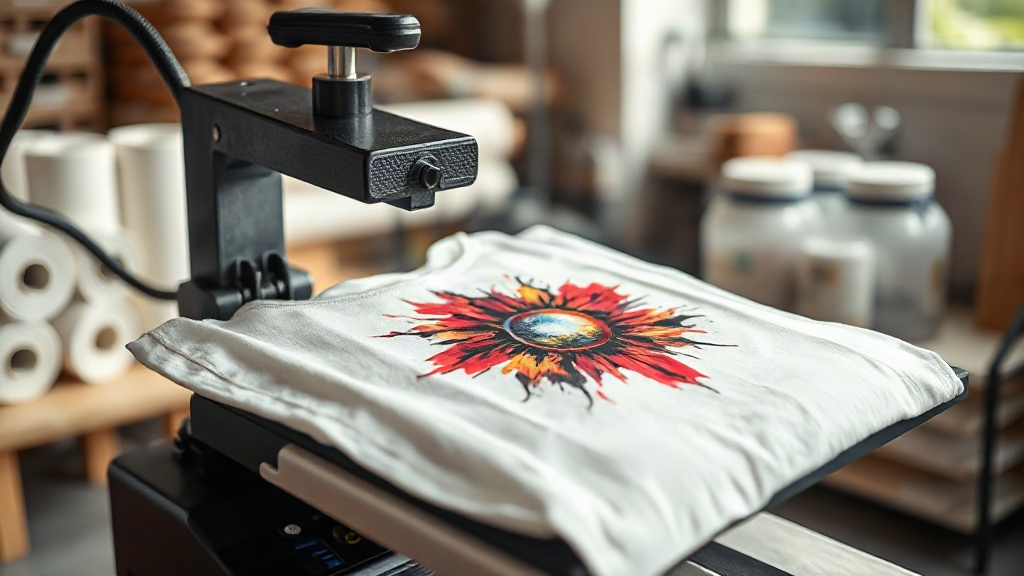
Imagine pressing a vibrant, full-color design onto a cotton t-shirt in minutes, with no weeding, no color limitations, and a soft feel that lasts. That's the magic of DTF transfers. Whether you're a small business owner, a hobbyist, or a professional printer, understanding DTF technology can open up a world of possibilities for custom apparel. In this guide, we'll walk you through everything you need to know about DTF transfers, from the basics to advanced tips, so you can create stunning, durable prints that your customers will love.
What Are DTF Transfers?
DTF stands for Direct-to-Film. It's a printing method where your design is printed onto a special film, coated with a powder adhesive, and then heat-pressed onto fabric. Unlike DTG (Direct-to-Garment) or screen printing, DTF transfers don't require pre-treatment or specialized inks for different fabrics. The process works by printing a mirror image of your design onto a PET film using water-based pigments. While the ink is still wet, a hot-melt adhesive powder is applied, and the film is cured. The result is a transfer that can be stored and used later, making it ideal for on-demand production.
How DTF Transfers Work: Step by Step
To get started with DTF, you'll need a few key components: a DTF printer (or a service that provides prints), DTF film, adhesive powder, and a heat press. Here's the typical workflow:
- Design Preparation: Create your artwork and print it in reverse onto the DTF film using your printer. Ensure your design is in CMYK or RGB, depending on your printer's requirements.
- Powder Application: While the ink is wet, sprinkle the adhesive powder evenly over the print. Shake off excess powder.
- Curing: Place the film in a curing oven or under a heat source to melt the powder. This step is crucial for durability.
- Transfer: Set your heat press to the recommended temperature (usually 300-320°F) and press the film onto your fabric for 10-15 seconds.
- Peel: Wait for the transfer to cool (cold peel) or peel while hot (hot peel), depending on the film type. Then remove the film, leaving your design behind.
Why Choose DTF Transfers?
DTF transfers offer several advantages over traditional printing methods:
- Vibrant Colors: DTF printers use CMYK+White inks, allowing for bright, full-color designs without the limitations of screen printing.
- Fabric Versatility: Works on cotton, polyester, blends, and even treated nylon. No need for different inks or pre-treatment.
- Durability: When applied correctly, DTF prints can withstand dozens of washes without fading or cracking.
- Cost-Effective for Short Runs: No setup costs like screen printing, making it perfect for small batches or personalized items.
- Soft Feel: The prints are thin and flexible, not plasticky like some other transfers.
Common Applications of DTF Transfers
DTF transfers are incredibly versatile. They're used for:
- Custom t-shirts, hoodies, and activewear.
- Promotional items like tote bags and corporate uniforms.
- Personalized gifts with names, photos, or logos.
- Small business merchandise, from Etsy shops to local brands.
Tips for Perfect DTF Transfers
To achieve professional results, follow these expert tips:
- Choose the Right Film: Not all DTF films are created equal. Look for films with a consistent coating for smooth ink release.
- Control Moisture: Humidity can affect powder adhesion. Store film and powder in a dry environment.
- Test Your Press: Every heat press varies. Use a temperature gun to verify settings and do test presses.
- Powder Sparingly: Too much powder can lead to a rough feel; too little can cause poor adhesion. Aim for a light, even coat.
- Cold Peel vs. Hot Peel: Cold peel films require the transfer to cool completely before peeling, while hot peel films are peeled immediately. Know which type you're using.
- Wash Inside Out: Advise customers to wash garments inside out in cold water and avoid ironing directly on the print.
DTF vs. Other Printing Methods
How does DTF stack up against DTG, screen printing, and vinyl?
- DTF vs. DTG: DTG requires pre-treatment and works best on 100% cotton. DTF works on more fabrics and often has more vibrant colors.
- DTF vs. Screen Printing: Screen printing is cost-effective for large orders but has setup costs and color limitations. DTF is better for small runs and complex designs.
- DTF vs. Vinyl: Vinyl is limited to single-color designs and requires weeding. DTF allows full-color, detailed prints with no weeding.
Frequently Asked Questions About DTF Transfers
How long do DTF transfers last?
With proper application and care, DTF transfers can last 50+ washes. The key is following the correct temperature, pressure, and time, and advising customers to wash inside out in cold water.
Can I use DTF transfers on dark shirts?
Absolutely! DTF prints include a white ink layer, so they show up vividly on both light and dark fabrics. This is a major advantage over DTG, which may require a white base for dark garments.
Do I need a special printer for DTF?
Yes, you need a DTF printer that uses DTF inks and can print on film. However, if you don't want to invest in a printer, you can order DTF transfers from a service and apply them with a heat press.
What fabrics work best with DTF?
DTF works on a wide range of fabrics, including cotton, polyester, blends, and even leather. It's not recommended for highly stretchy fabrics like spandex unless blended with cotton.
How do I store DTF transfers?
Store unused DTF transfers in a cool, dry place, away from direct sunlight. Keep them flat to prevent curling. They can last for several months if stored properly.
Final Thoughts
DTF transfers are a game-changer for custom apparel. They offer unparalleled versatility, vibrant colors, and durability, making them a favorite among professionals and hobbyists alike. By mastering the process and following our tips, you can elevate your printing game and deliver stunning results every time. Whether you're printing a single shirt or a hundred, DTF technology empowers you to bring any design to life with ease.