
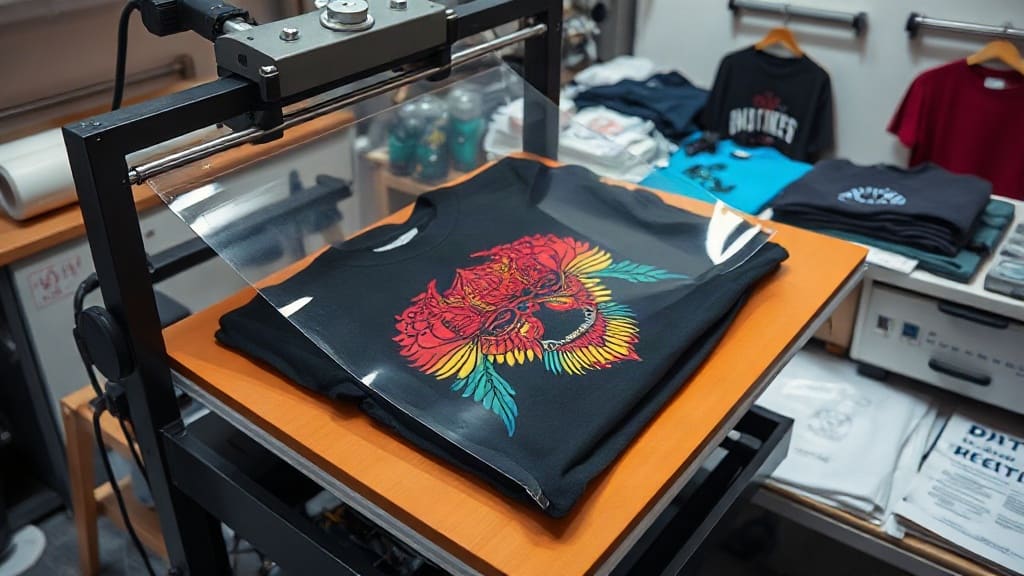
DTF transfers have taken the custom apparel industry by storm. If you've been searching for a printing method that combines vibrant colors, soft hand-feel, and versatility across fabrics, you've likely come across this term. Whether you're a seasoned printer or just starting your journey in garment decoration, understanding what DTF transfers are and how to use them effectively can be a game-changer for your business or creative projects.
In this comprehensive guide, we'll break down everything you need to know about DTF transfers: from the basic principles to step-by-step application processes, and from common mistakes to pro tips for achieving perfect results every time.
What Are DTF Transfers?
DTF stands for Direct to Film. It's a printing technique where your design is printed onto a special PET film using a DTF printer and pigment inks. After printing, a hot-melt adhesive powder is applied to the wet ink, and the film is dried. The result is a transfer that can be applied to various substrates using a heat press.
Unlike traditional screen printing, which requires separate screens for each color, DTF printing allows for full-color, high-detail designs without the setup hassle. And unlike DTG (Direct to Garment), which prints directly onto the fabric, DTF transfers are created on film first, giving you more flexibility and consistency.
How Do DTF Transfers Work?
The process might sound complex, but once you break it down, it's remarkably straightforward. Here are the key steps:
- Design: Create your artwork using graphic design software. Ensure it's high resolution (300 DPI is ideal).
- Printing: Print the design onto a special PET film using a DTF printer. These printers use CMYK plus white ink, which lays down a white base for colors to pop on dark garments.
- Powdering: While the ink is still wet, apply the hot-melt adhesive powder evenly over the printed area. This powder bonds with the ink and becomes the glue that attaches the transfer to the fabric.
- Curing: Shake off excess powder and cure the film in an oven or dryer to melt the powder and set the ink.
- Pressing: Place the transfer on your garment with the film side up, and press with a heat press at around 300°F (150°C) for 10-15 seconds with medium pressure.
- Peeling: After pressing, peel the film away to reveal your vibrant, durable print.
One of the biggest advantages of DTF transfers is that you can print multiple transfers and store them for later use. This is perfect for on-demand fulfillment or creating a stock of popular designs.
Benefits of Using DTF Transfers
Why have DTF transfers become so popular? Let's look at some of the key benefits:
- Versatility: DTF transfers work on a wide range of fabrics including cotton, polyester, blends, nylon, and even leather. This is a huge advantage over DTG and screen printing, which are often limited to specific fabric types.
- Vibrant Colors: The white ink base ensures colors pop, even on dark or black garments. DTF prints are known for their bright, saturated colors.
- Soft Hand Feel: Unlike thick vinyl prints, DTF transfers have a soft, flexible feel that doesn't crack or peel easily.
- Durability: DTF prints are incredibly durable. They can withstand repeated washes without fading or cracking, making them ideal for workwear, sportswear, and everyday apparel.
- Cost-Effective for Small Runs: Since there are no setup fees or screens, DTF is economical for small to medium orders. You can print one off or hundreds without breaking the bank.
- No Weeding: Unlike heat transfer vinyl (HTV), DTF transfers require no weeding. The entire design is transferred in one piece, saving you time and labor.
DTF vs. Other Printing Methods
To truly appreciate DTF transfers, it helps to compare them with other popular methods:
DTF vs. Screen Printing
Screen printing is excellent for large orders with simple designs and limited colors. However, it requires significant setup, and each color needs its own screen. For multicolor designs or short runs, DTF is faster and more cost-effective. DTF also offers softer prints, while screen printing can feel heavier on the garment.
DTF vs. DTG
DTG (Direct to Garment) prints directly onto the shirt using inkjet technology. It's great for detailed, high-color prints and soft hand-feel. However, DTG is typically limited to 100% cotton fabrics, and it can be slow for bulk orders. DTF transfers, on the other hand, can be applied to various fabrics and can be produced in bulk ahead of time.
DTF vs. Heat Transfer Vinyl (HTV)
HTV is a simple, cut-and-press method that's perfect for single-color designs and small quantities. But for full-color designs, HTV is impractical because each color requires a separate cut and layering. DTF transfers allow you to print full-color designs easily, without weeding, and with a softer feel.
Step-by-Step Application Guide
Applying DTF transfers correctly is crucial for achieving a professional finish. Here's a detailed guide:
- Pre-Press Your Garment: Before placing the transfer, pre-press the garment for a few seconds to remove moisture and wrinkles. This helps the transfer adhere properly.
- Position the Transfer: Place the DTF transfer on the garment with the film side up. Ensure it's centered and aligned as desired.
- Use a Teflon Sheet: Cover the transfer with a Teflon sheet or parchment paper to protect both the transfer and your heat press.
- Press with Correct Settings: Set your heat press to approximately 300°F (150°C) and medium pressure. Press for 10-15 seconds. Times may vary slightly depending on the transfer brand and fabric, so always test.
- Hot or Cold Peel: Some DTF transfers require a hot peel, while others can be cold peeled. Check the manufacturer's instructions. For hot peel, remove the film immediately after pressing; for cold peel, wait until it cools down.
- Peel Slowly: Peel the film away slowly and evenly to avoid lifting any of the design.
- Re-press if Needed: If you notice any areas that didn't adhere well, you can place the film back and press again for a few seconds.
Common Mistakes to Avoid
Even experienced printers can make mistakes when using DTF transfers. Here are some pitfalls to avoid:
- Using Low-Quality Transfers: Not all DTF transfers are created equal. Cheap transfers may have poor ink adhesion, leading to cracking or fading. Invest in high-quality options from reputable suppliers.
- Incorrect Press Settings: Too low temperature or too short time can result in poor adhesion. Too high temperature can scorch the film or cause ghosting. Always follow recommended guidelines.
- Not Pre-Pressing: Skipping the pre-press step can lead to bubbles or wrinkles, affecting the final result.
- Peeling Too Fast: Rushing the peel can cause parts of the design to lift off. Peel slowly and carefully.
- Ignoring Fabric Compatibility: While DTF works on many fabrics, some coatings or treatments can interfere. Always test on a sample piece first.
- Using Old Transfers: DTF transfers have a shelf life. Exposure to humidity or heat can degrade the adhesive. Store them in a cool, dry place and use them within 6-12 months.
Tips for Professional Results
Want to take your DTF prints to the next level? Follow these expert tips:
- Optimize Your Artwork: Ensure your designs have high contrast and vibrant colors. Avoid overly thin lines or tiny details that might not transfer well.
- Use the Right Film: Not all PET films are the same. Choose a film that's designed for DTF printing and compatible with your printer and inks.
- Maintain Your Printer: Regularly clean and calibrate your DTF printer to ensure consistent ink output and avoid banding.
- Test on Fabrics: Different fabrics respond differently to heat and pressure. Always do a test press on the same type of fabric you'll be using for the final product.
- Invest in a Good Heat Press: A quality heat press with even heat distribution is essential for achieving consistent results.
- Consider a DTF Powder Shaker: If you're producing in bulk, a powder shaker and curing oven can streamline your workflow and improve consistency.
Applications and Use Cases
DTF transfers are incredibly versatile, making them suitable for a wide range of applications:
- Custom Apparel: T-shirts, hoodies, sweatshirts, and more.
- Sportswear: Jerseys, leggings, and performance wear.
- Workwear: Uniforms, safety vests, and corporate apparel.
- Accessories: Tote bags, hats, and backpacks.
- Home Textiles: Cushions, curtains, and tablecloths.
- Promotional Items: Banners, flags, and event merchandise.
Frequently Asked Questions
Are DTF transfers washable?
Yes, DTF transfers are designed to withstand regular washing. For best results, wash garments inside out in cold water and avoid using bleach or fabric softeners. Tumble dry on low heat or hang dry.
Can I apply DTF transfers to dark clothing?
Absolutely. One of the main advantages of DTF is its white ink base, which ensures colors stay vibrant and opaque on dark fabrics. This makes DTF perfect for black or navy shirts.
How long do DTF transfers last?
When applied correctly and cared for properly, DTF prints can last for many years without significant fading or cracking. The durability is comparable to screen printing, making it a reliable choice for high-quality apparel.
Do I need special equipment to use DTF transfers?
At a minimum, you'll need a heat press and a way to produce or purchase the transfers. If you want to print your own transfers, you'll need a DTF printer, PET film, and adhesive powder. However, many businesses opt to buy ready-made DTF transfers from specialized suppliers, which only require a heat press for application.
What is the cost of DTF printing?
The cost varies depending on your setup. For those buying transfers, prices depend on size and quantity, but DTF is generally more cost-effective than screen printing for small runs and offers lower entry costs than DTG for full-color production. For printing in-house, the initial investment in a DTF printer can range from a few thousand dollars, but the per-print cost is relatively low.
Conclusion
DTF transfers have revolutionized the custom printing industry by offering a perfect balance of quality, versatility, and affordability. Whether you're a hobbyist looking to create custom gifts or a business aiming to expand your product line, mastering DTF transfers can open up a world of possibilities. With the right techniques and a bit of practice, you'll be producing stunning, durable prints that impress your customers and keep them coming back for more.
If you're ready to dive into the world of DTF, start with high-quality supplies and don't be afraid to experiment. Your first few prints might not be perfect, but with time, you'll develop the skills to create professional-grade apparel that stands out from the crowd.
Remember, the key to success with DTF transfers lies in preparation, patience, and attention to detail. Happy printing!