
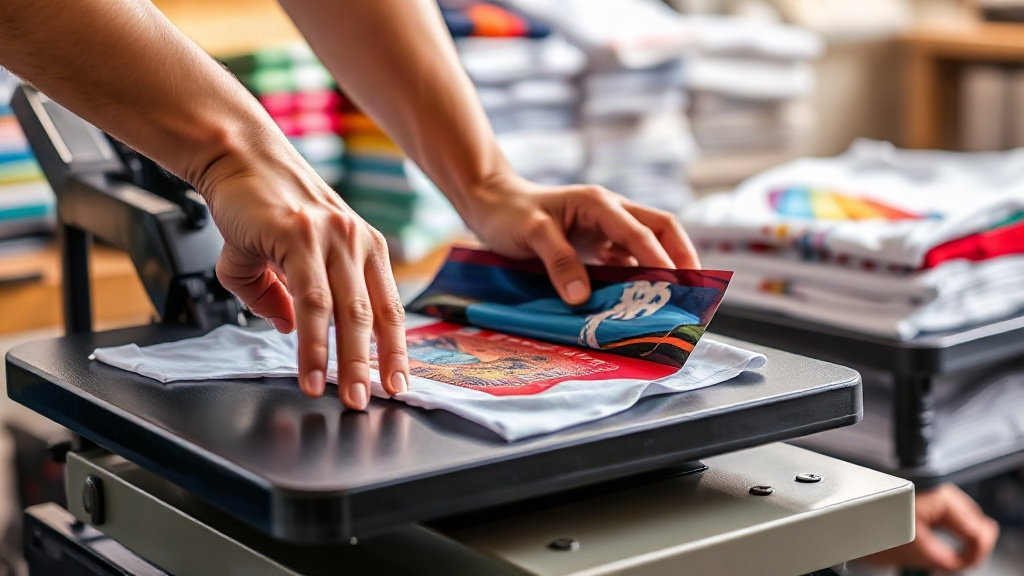
If you've been exploring custom apparel printing, you've likely encountered DTF Transfers. This method has rapidly gained popularity for its versatility and vibrant results. Unlike traditional screen printing or vinyl cutting, DTF (Direct to Film) transfers allow you to print full-color designs onto a special film, then heat-press them onto fabrics. The process is surprisingly straightforward, making it accessible for beginners and professionals alike. In this guide, I'll walk you through everything you need to know to get started with DTF transfers, sharing insights from my own experience in a small print shop.
What Exactly Are DTF Transfers?
DTF transfers are printed designs on a PET film using special inks and a powder adhesive. The design is printed in reverse onto the film, dusted with hot-melt powder, and then cured. When you're ready to apply, you place the film on your fabric and heat press it. The adhesive melts, bonding the ink to the fabric, and after cooling, you peel away the film. The result is a soft, stretchable print that can handle intricate details and gradients beautifully.
One of the biggest advantages is that DTF transfers work on a wide range of materials, including cotton, polyester, blends, and even nylon. This flexibility sets it apart from other methods that often require specific fabric types.
Why Choose DTF Transfers Over Other Methods?
Having tried screen printing, vinyl, and DTG, I've found DTF transfers offer a unique combination of benefits. Let's break down the key reasons you might choose DTF for your next project.
Vibrant Colors and Fine Details
DTF printers use CMYK plus white ink, which means they can produce photorealistic images with smooth gradients and fine lines. Unlike vinyl, there's no weeding involved, so even the most complex designs are easy to produce. The white ink layer ensures that colors pop on dark fabrics, something that can be tricky with other methods.
Fabric Versatility
Whether you're printing on a 100% cotton t-shirt, a polyester jersey, or a canvas tote, DTF transfers adhere well. This makes them ideal for small businesses that offer a variety of products without investing in multiple printing setups.
Durability and Washability
When applied correctly, DTF prints are durable and can withstand repeated washing. I've had customers report that their DTF-printed shirts have lasted over 50 washes without significant fading or cracking. The key is proper application and following care instructions.
Cost-Effective for Small Runs
Unlike screen printing, which requires separate screens for each color, DTF transfers have no setup fees per color. This makes them cost-effective for small batches and one-off designs. You can print a single transfer or hundreds with the same ease.
How to Apply DTF Transfers: Step-by-Step
Applying DTF transfers is a straightforward process, but attention to detail is crucial for a professional finish. Here's the method I've refined over time.
1. Prepare Your Workspace and Materials
You'll need a heat press, your DTF transfer, the garment, and a protective sheet (like parchment paper or a Teflon sheet). Ensure your heat press is stable and reaches the required temperature. I recommend a temperature of 325°F (160°C) for most fabrics, but always check the transfer supplier's recommendations.
2. Pre-Press the Garment
Pre-pressing removes moisture and wrinkles, creating a smooth surface. Press the garment for 5-10 seconds at the application temperature. This step is often overlooked but makes a big difference in adhesion.
3. Position the Transfer
Place the transfer on the garment with the printed side down (the design should be facing the fabric). If you're using a transfer with a carrier film, the dull side is the printed side. Position it carefully; once pressed, it's difficult to reposition.
4. Apply Heat and Pressure
Cover the transfer with a protective sheet. Press with medium to heavy pressure for 15-20 seconds. The exact time can vary, so test with a scrap piece first. Too little pressure or time can result in poor adhesion; too much can cause the design to spread or the fabric to scorch.
5. Peel the Film
After pressing, you can peel the film either hot or cold, depending on the transfer type. Most DTF transfers are cold peel, meaning you wait for the transfer to cool completely before peeling. This allows the adhesive to set properly. Peel slowly and evenly. If any part lifts, re-press for a few seconds.
6. Post-Press for Durability
For added durability, cover the design with a protective sheet and press again for 5-10 seconds. This further embeds the ink into the fabric.
Common Mistakes to Avoid with DTF Transfers
Even with a simple process, there are pitfalls. Here are some lessons I learned the hard way.
- Insufficient pressure: If the transfer doesn't adhere, it's often due to lack of pressure. Make sure your heat press applies even pressure across the platen.
- Wrong temperature: Too low and the adhesive won't melt; too high and the film may warp or the ink may discolor. Use an infrared thermometer to verify.
- Peeling too soon: For cold-peel transfers, patience is key. Peeling while hot can cause the design to stretch or leave adhesive residue.
- Not pre-pressing: Skipping pre-pressing can trap moisture, leading to poor adhesion and a bumpy finish.
- Ignoring fabric type: While DTF works on many fabrics, some like nylon require lower temperatures. Always test.
Choosing the Right DTF Transfer Supplier
Not all DTF transfers are created equal. The quality of ink, film, and adhesive powder varies significantly. When sourcing transfers, consider the following:
- Ink quality: Look for transfers that use high-quality pigments for vibrant colors and wash fastness.
- Adhesive powder: The powder should be fine and evenly applied. Cheap powders can cause clogging or poor adhesion.
- Film thickness: Thinner films conform better to fabric textures and feel softer.
- Customer reviews: Check feedback on durability and color accuracy.
I've had good results with suppliers who specialize in DTF and provide detailed application instructions. It's worth paying a bit more for reliability.
DTF Transfers vs. Other Printing Methods: A Quick Comparison
To help you decide, here's how DTF stacks up against common alternatives.
- Screen Printing: Better for large orders of simple designs, but DTF wins for complex, multi-color designs and small runs.
- DTG (Direct to Garment): DTG is great for cotton, but DTF works on more fabrics and often has brighter colors on dark shirts.
- Vinyl: Vinyl is limited to simple shapes and colors, while DTF handles full-color images with ease.
- Sublimation: Sublimation requires polyester and light-colored fabrics; DTF works on almost anything.
Frequently Asked Questions About DTF Transfers
How long do DTF transfers last?
With proper application and care, DTF transfers can last as long as the garment. Expect 50+ washes if you wash inside out in cold water and avoid harsh detergents. Avoiding direct ironing on the print also helps.
Can I apply DTF transfers to cotton?
Absolutely. DTF transfers adhere well to cotton and cotton blends. The key is to pre-press to remove moisture and use the correct temperature and pressure.
Do I need a special printer for DTF transfers?
Yes, DTF requires a printer with DTF ink and a film that can handle the ink. You can also buy pre-printed transfers from suppliers, which is a great way to start without a big investment.
What is the best temperature for pressing DTF transfers?
Most DTF transfers press at 325°F (160°C) for 15-20 seconds with medium-heavy pressure. However, always follow the supplier's recommendations as formulations vary.
Can I stretch DTF prints?
DTF prints have some stretchability, making them suitable for performance wear. However, excessive stretching can cause cracking over time. Choose designs with some flexibility and avoid overstretching the fabric when wearing.
DTF transfers have opened up new possibilities for custom apparel, and with a bit of practice, you can achieve professional-looking results. Whether you're a hobbyist or a small business owner, mastering DTF can set your creations apart.