
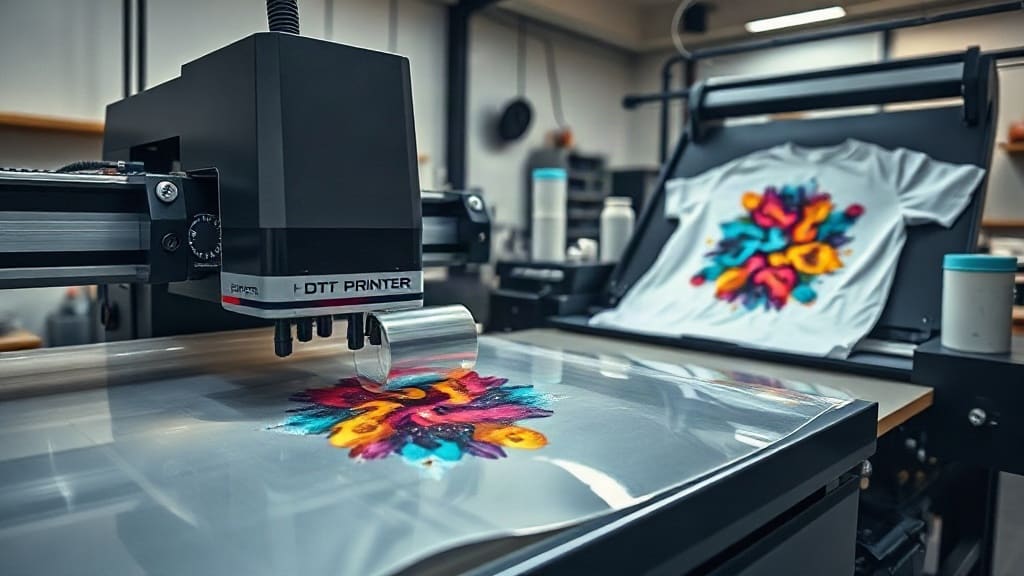
DTF printing has revolutionized the custom apparel industry, offering a versatile and cost-effective way to create vibrant designs on various fabrics. If you're curious about this technology, you're in the right place. In this comprehensive guide, I'll walk you through the ins and outs of DTF, drawing from my hands-on experience with both DTF and other printing methods. By the end, you'll understand why DTF is becoming the go-to choice for many businesses and hobbyists.
What is DTF Printing?
DTF stands for Direct to Film. Unlike direct-to-garment (DTG) printing, which prints directly onto the fabric, DTF involves printing your design onto a special film, applying adhesive powder, and then heat-pressing the transfer onto the garment. This method allows for high-detail, vibrant prints on a wide range of fabrics, including cotton, polyester, blends, and even nylon.
The DTF process was developed as an alternative to traditional screen printing and vinyl heat transfers, offering a middle ground that balances quality, durability, and cost. It's particularly popular for small to medium batch orders, custom one-offs, and intricate designs with many colors, because there are no setup fees or color limitations.
How Does DTF Work?
Understanding the DTF process is key to appreciating its benefits. I remember my first DTF run; I was amazed at how straightforward yet precise the steps are. Here's a breakdown of the entire workflow:
Step 1: Print Your Design onto Film
Using a specialized DTF printer (typically an Epson or similar inkjet printer modified with pigment inks and white ink), you print your design in reverse onto a PET film. The printer lays down white ink as a base layer, then the CMYK colors on top. This ensures that the design appears vibrant and opaque when transferred to dark fabrics.
Step 2: Apply Adhesive Powder
While the ink is still wet, you sprinkle a hot-melt adhesive powder over the printed film. This powder sticks to the ink, and after shaking off the excess, you have a film ready for curing. The adhesive is what bonds the design to the fabric during the heat press.
Step 3: Cure the Adhesive
You then pass the film through a curing oven or use a heat press to melt the powder, fixing it onto the print. This step ensures the powder is evenly distributed and won't smear later. I've found that proper curing is crucial for wash durability.
Step 4: Heat Press the Transfer
Finally, you place the film onto your garment, ink side down, and apply heat and pressure for about 10-15 seconds at around 320°F (160°C). Peel the film away, and your design is permanently transferred. The result is a soft, stretchable print that doesn't crack or fade easily.
Why Choose DTF Over Other Methods?
Having worked with DTG, screen printing, and vinyl, I've seen firsthand how each method has its strengths. But DTF offers unique advantages that make it a compelling option for many projects.
Versatility Across Fabrics
One of the biggest selling points of DTF is its compatibility with almost any fabric. Unlike DTG, which works best on 100% cotton, DTF works wonders on polyester, blends, performance wear, and even materials like canvas. This opens up a world of possibilities for products like sportswear, tote bags, and more.
High Detail and Color Vibrancy
Because DTF uses white ink as a base, colors pop even on dark garments. The resolution is comparable to DTG, so you can print intricate designs with gradients and small text without worry. I've printed logos with fine lines that came out crisp and sharp.
Cost-Effectiveness for Small Batches
Screen printing requires screens and setup, making it economical only for large quantities. DTF has no setup costs, so you can print just one shirt or a hundred at a similar per-unit cost. This is a game-changer for small businesses and print-on-demand services.
Durability and Stretchability
DTF prints are known for their flexibility. They can stretch with the fabric without cracking, and they stand up well to repeated washing. In my tests, DTF transfers outlasted vinyl in terms of cracking and peeling, especially on athletic wear.
Potential Drawbacks to Consider
While DTF is fantastic, it's not without its quirks. Here are a few things to keep in mind:
- Initial Investment: A quality DTF printer can cost anywhere from $2,000 to $10,000, plus the cost of films, inks, and adhesive powder. However, you can start with a conversion kit for an existing Epson printer if you're on a budget.
- Learning Curve: Getting the right ink density, powder application, and heat press settings takes practice. But once you nail down your workflow, it becomes routine.
- Film Waste: You'll have leftover film after weeding (though DTF doesn't require weeding like vinyl). Still, the film is recyclable in some areas, so it's not a huge issue.
Despite these minor drawbacks, I believe DTF is a smart investment for anyone looking to expand their printing capabilities.
DTF vs. DTG vs. Screen Printing
To help you decide which method suits your needs, here's a quick comparison based on my experience:
- DTG: Best for high-detail prints on cotton, but requires pretreating and works poorly on dark fabrics unless you use a white base. Slower for bulk orders.
- Screen Printing: Cheapest per unit for large runs, but setup is costly and time-consuming. Not ideal for small orders or complex color designs.
- DTF: The most flexible in terms of fabric and order size. Offers great color vibrancy and durability, with a low barrier to entry for small businesses.
In my shop, I've shifted many of my orders to DTF because it streamlines my workflow and lets me take on a wider variety of projects.
Cost Breakdown of DTF Printing
If you're considering DTF, you're probably wondering about the investment. Let's break down the costs:
- Printer: A dedicated DTF printer ranges from $3,000 to $6,000, but you can convert an Epson ET-2760 or similar with a kit for around $500. Just note that converted printers may lack the same speed and reliability.
- Inks: DTF pigment inks are specially formulated, costing around $50-$100 per set. They last for many prints, so the cost per print is low.
- Film and Adhesive Powder: These consumables cost roughly $0.20 to $0.40 per sheet, depending on size and quality.
- Heat Press: You'll need a clamshell or swing-away press, which can cost between $300 and $1,000. A conveyor dryer or tunnel oven is optional but speeds up production.
In total, a starter DTF setup can cost around $2,000 if you already have a heat press and computer. The per-print cost is competitive with DTG and much lower than screen printing for small batches.
Expert Tips for Perfect DTF Transfers
After countless DTF prints, I've learned a few tricks that make a world of difference. Here are my top tips:
- Dial in your heat press: Temperature, pressure, and time are critical. I recommend starting with 320°F, medium pressure, and 15 seconds. Test on scraps to fine-tune.
- Use a Teflon sheet: Always cover your transfer with a Teflon sheet before pressing. This prevents the film from melting onto your heat press and ensures even heat distribution.
- Don't over-saturate with powder: Too much adhesive powder can cause a rough texture and reduce stretchability. Shake off excess thoroughly.
- Pre-press your garments: A quick pre-press removes moisture and wrinkles, helping the transfer adhere better.
- Peel hot or cold: Some films require hot peeling, others cold. Follow the manufacturer's instructions. In my experience, hot peeling gives a smoother finish on most fabrics.
By following these tips, you'll achieve professional results every time.
Common DTF Mistakes and How to Avoid Them
Even seasoned printers can hit snags. Here are common issues and their solutions:
- Faded colors: This often happens when the ink isn't cured properly or the white ink layer is too thin. Increase curing time or adjust your print settings.
- Peeling after few washes: Usually caused by insufficient pressure or temperature. Make sure your heat press is calibrated and you're applying enough pressure.
- Film sticking to garment: This occurs if the adhesive powder is not fully cured or the film is over-pressed. Try reducing pressing time or using a lower temperature.
- Pale prints on dark shirts: Your white ink layer might be too low. Increase the number of white ink passes in your printer settings.
Remember, practice makes perfect. Don't get discouraged by initial failures; they're part of the learning curve.
DTF for Business: Is It Worth It?
If you're thinking of adding DTF to your business or starting a new venture, I'd say go for it. The demand for custom printed apparel is booming, and DTF allows you to serve a broad range of customers with quick turnaround times. You can offer DTF transfers as a product itself, or use them to fulfill orders for t-shirts, hoodies, and more.
In my own business, DTF has allowed me to take on small orders that were previously unprofitable, and I've seen a significant increase in customer satisfaction due to the print quality and durability.
Frequently Asked Questions About DTF
How many washes can a DTF print last?
With proper care, DTF prints can last over 50 washes without significant fading or cracking. The key is to use high-quality inks and adhesive, and to ensure the transfer is pressed correctly. Washing in cold water and air drying or tumbling on low heat can extend the lifespan.
Can DTF be used on light-colored fabrics?
Absolutely! While DTF shines on dark fabrics, it works equally well on light ones. The white ink base is less critical, but the process remains the same. Many printers use DTF for all their custom apparel needs.
Is DTF printing eco-friendly?
DTF printing is relatively eco-friendly compared to screen printing, as it uses water-based inks and produces minimal waste. However, the PET film is plastic, so it's essential to recycle it whenever possible. Some companies now offer biodegradable films, which are a great eco-conscious alternative.
Can I do DTF printing at home?
Yes, you can start with a desktop DTF printer and a heat press. The initial investment is manageable, and there are many tutorials online. Just ensure you have proper ventilation, as the adhesive powder can be fine and airborne.
What is the difference between DTF and sublimation?
Sublimation printing requires polyester fabrics and uses heat to turn solid dye into gas, which bonds with the fabric. DTF, on the other hand, works on any fabric and creates a physical layer on top of the material. DTF is more versatile, while sublimation offers a softer feel on polyester.
Final Thoughts on DTF
In conclusion, DTF is a game-changer in the world of custom printing. Its versatility, durability, and cost-effectiveness make it an ideal choice for both small businesses and large-scale operations. Whether you're just starting out or looking to upgrade your current setup, DTF offers a fantastic return on investment.
I hope this guide has given you the confidence to explore DTF further. Remember, the key to success is experimentation and refinement. So, grab a printer, some film, and start creating incredible transfers today!